• Don't want to see ads? Install an adblocker like uBlock Origin or use a Europe-based privacy-friendly browser like Vivaldi or Mullvad.

Actual living human examples of the "Classical" phenotype?

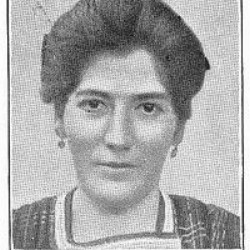
Rosana Podestas

MV5BYWQ5YWExMWItY2I0Mi00NTM1LTg3NTMtNzgzOTE3ODZlNTBkXkEyXkFqcGdeQXVyMzI5NDcxNzI@._V1_.jpg


MV5BNzc3ZTc5NmQtOTY2ZS00MjZhLTgwMjMtYTRmMDA0ZjViZDRmXkEyXkFqcGdeQXVyNTk5NzQ5Ng@@._V1_SY1000_CR0,0,763,1000_AL_.jpg
 
While this isn't quite as much a "classical" as much as an "ancient/neolithic" look, this is somewhat relevant as I feel there is a continuity between two:
Bora Fona, a Kosovo Albanian actress/model:

Bora+-126.jpg


C_Fvf-IUMAARD3h.jpg


Here is her instagram: https://www.instagram.com/borafona/?hl=en
 
More of her, here she actually looks classical to me:

B9QFeoV.png


pVzo7QW.png
 
More of her, here she actually looks classical to me:
B9QFeoV.png


pVzo7QW.png

She's a very striking looking girl and gives off mostly a "Med" vibe to me, but the statues and other presentations mostly show relatively small mouths, even if they were a bit full. The chins are usually very rounded too.

A bit off topic, but we've discussed their pigmentation in the past. Something popped up on my feed about how ultraviolet light is being used to determine the original color of the statues. Below is the reconstructed statue of Augustus. This is apparently what "fair" hair meant to them. and that is the imperial "purple".

bc75e3ebfd269b3154fd4ded2f5e1286--ancient-rome-ancient-greek.jpg


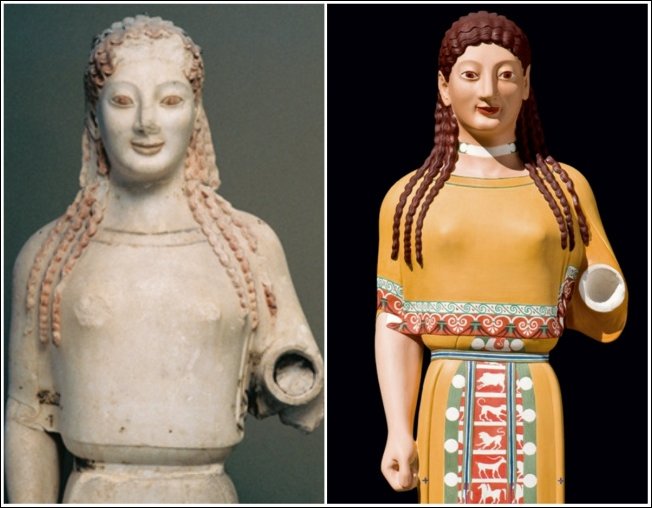
This is a much older statue from Greece, not classical, also colorized. She looks a bit like some of the Etruscan women to me. Could this have been one of the EEF like types? It also looks like the "Tyrolean" look pointed out by some of the old school physical anthropologists.

statue-006.jpg


MMA_etruscan_statue.jpg


e6672d4af4ece271f8b42f8c13341ab2.jpg


The Tyrolean "Dinaric" type:
8441840851236373123
 
This tyrolean dinaric u posted gives me a very EEF vibe tbh, almost identical with that painting too
 
"Classical" phenotype?

I think the "classical" phenotype is largely a "Mediterranean" one, but it's highly specific. They considered the ideal face to have a long, basically oval shape; it was rather full cheeked, obscuring the jawline; the eyes were usually average in size or on the larger side; the mouth was small but slightly full lipped; and it had a long, straight nose, with such a high bridge between the eyes that it formed a virtually unbroken line from forehead to nose. You don't see the latter feature very much today. I'm unsure whether it was all that common even in Classical Era Greece, or if we see it so much in their artwork because they considered it beautiful and so gave it to all representations of Gods and beautiful mortals. I think it's clear they had long noses, and high bridged as well, but I don't know if they all had that straight, unbroken line in profile. It's the same with the feet on the statues. They all have the same toe and foot shape; I notice them because I have them too. :) Is it possible all the Greeks of that time had those feet?

I think we know this face was considered by them to be the most beautiful because Antinous, about whom we have writings stating that he was considered the most beautiful person of the age, had all these features, except that his lips were a bit bigger than some of the other statues. They get absolutely no argument from me: I think he's gorgeous.

ab5dc525901a8b25fa1a300b2d44ad6c--greek-statues-the-emperor.jpg


12081128_1504675956526742_1016011620_n.jpg


That template survived for thousands of years, which is why an actor like John Barrymore from the early to mid 20th century was so celebrated for his good looks and "classical" profile, although there is the faintest indentation, and his nose was rather thinner.

I think the man turned his head every time a camera was anywhere near him. :)
hqdefault.jpg


I think some of the Etruscans, and the Tyrolese, had another, more northern element, a stronger jaw, sometimes a very "un-classical" nose. Some do fit the template, however.

This Etruscan drawing is very much like the woman from the Tyrol, I think, except for the large eyes. I think that small eyes are rather more "northern".

tumblr_mla6br7lMs1ryfivao1_500.jpg


Some sculptors even in the first millennium BC did not idealize their subjects. When they did that with Etruscans, some of them didn't look very idealized Mediterranean to me at all. The faces can be quite round and low bridged, almost upturned almost bulbous noses also show up.

italy-tarquinia-12-museo-nazionale-sarcophagus1.jpg
 
I think the "classical" phenotype is largely a "Mediterranean" one, but it's highly specific. They considered the ideal face to have a long, basically oval shape; it was rather full cheeked, obscuring the jawline; the eyes were usually average in size or on the larger side; the mouth was small but slightly full lipped; and it had a long, straight nose, with such a high bridge between the eyes that it formed a virtually unbroken line from forehead to nose. You don't see the latter feature very much today. I'm unsure whether it was all that common even in Classical Era Greece, or if we see it so much in their artwork because they considered it beautiful and so gave it to all representations of Gods and beautiful mortals. I think it's clear they had long noses, and high bridged as well, but I don't know if they all had that straight, unbroken line in profile. It's the same with the feet on the statues. They all have the same toe and foot shape; I notice them because I have them too. :) Is it possible all the Greeks of that time had those feet?
I think we know this face was considered by them to be the most beautiful because Antinous, about whom we have writings stating that he was considered the most beautiful person of the age, had all these features, except that his lips were a bit bigger than some of the other statues. They get absolutely no argument from me: I think he's gorgeous.
ab5dc525901a8b25fa1a300b2d44ad6c--greek-statues-the-emperor.jpg

12081128_1504675956526742_1016011620_n.jpg

That template survived for thousands of years, which is why an actor like John Barrymore from the early to mid 20th century was so celebrated for his good looks and "classical" profile, although there is the faintest indentation, and his nose was rather thinner.
I think the man turned his head every time a camera was anywhere near him. :)
hqdefault.jpg

I think some of the Etruscans, and the Tyrolese, had another, more northern element, a stronger jaw, sometimes a very "un-classical" nose. Some do fit the template, however.
This Etruscan drawing is very much like the woman from the Tyrol, I think, except for the large eyes. I think that small eyes are rather more "northern".
tumblr_mla6br7lMs1ryfivao1_500.jpg

Some sculptors even in the first millennium BC did not idealize their subjects. When they did that with Etruscans, some of them didn't look very idealized Mediterranean to me at all. The faces can be quite round and low bridged, almost upturned almost bulbous noses also show up.
italy-tarquinia-12-museo-nazionale-sarcophagus1.jpg
Am I the only one who finds eyeless Greco roman sculptures super super creepy? That female sculpture (fourth pic down from the top) looks as if she's ready to devour your soul.

Now to figure out how to sleep without worrying about seeing her in a nightmare draining my blood with her "eyes"
 
Am I the only one who finds eyeless Greco roman sculptures super super creepy? That female sculpture (fourth pic down from the top) looks as if she's ready to devour your soul.

Now to figure out how to sleep without worrying about seeing her in a nightmare draining my blood with her "eyes"
I don't find them creepy because they seem soulless.
 
ab5dc525901a8b25fa1a300b2d44ad6c--greek-statues-the-emperor.jpg


tumblr_mla6br7lMs1ryfivao1_500.jpg


Some sculptors even in the first millennium BC did not idealize their subjects. When they did that with Etruscans, some of them didn't look very idealized Mediterranean to me at all. The faces can be quite round and low bridged, almost upturned almost bulbous noses also show up.

italy-tarquinia-12-museo-nazionale-sarcophagus1.jpg
[/


The realistic sculpted figures from Volterra and the canopic urns from Chiusi (Clusium) look more like modern Tuscans than the rather "Minoan" look of the people figured in the Tarquinii wall paintings.
 
The highest nasal root I've ever seen live:
b73Rr2v.png
 
I agree with Garibaldi and Elvis definitely.

Drew Barrymore slightly:
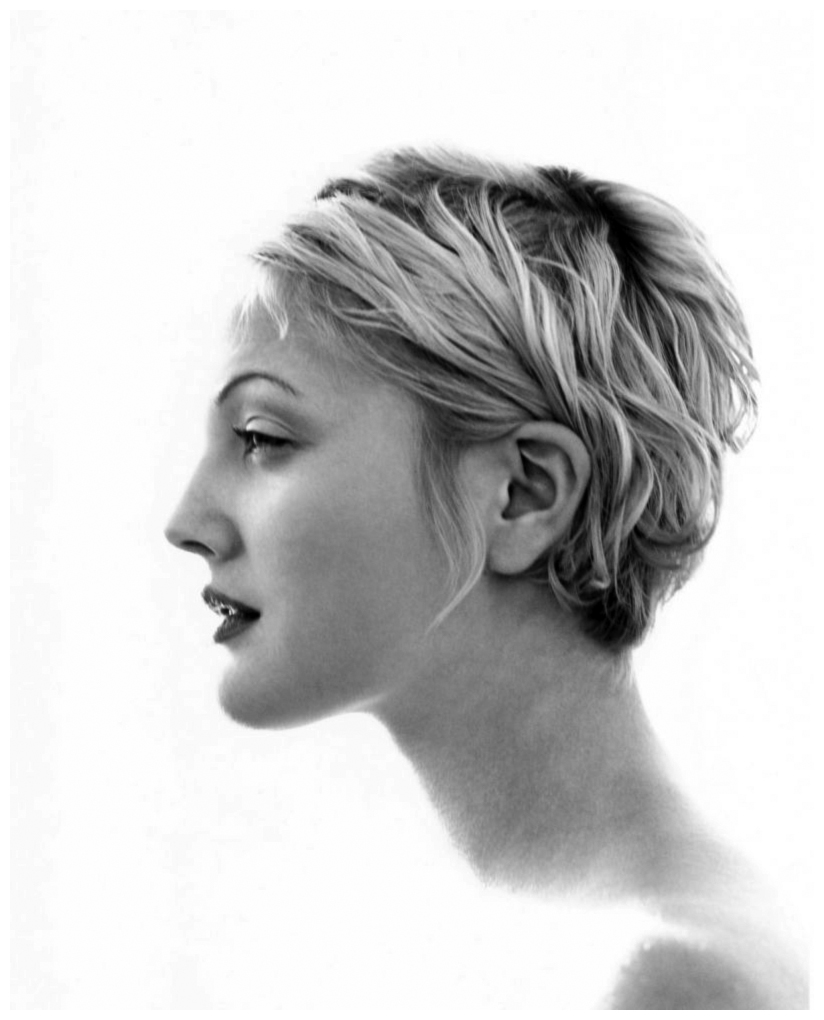
drew-barrymore-profile-malibu-1993.jpg


Irene papas next to that statue looks a bit too concave ( as with some of the others ) while i agree with napoleon to an extent. The rest seem to have too short noses.

The phrenologist Petrus Camper actually studied the "Classical" phenotype and determined it to be related to the "facial angle":

C0089485-1760a_Petrus_Camper_facial_angle_eugenics-SPL.jpg
camper.jpg

I just noticed this. Drew Barrymore has it, or close to it, courtesy of her grandfather, the great actor John Barrymore, whom I featured above. :)
 
This man is east African, Somali I guess, does he have it?

300px-A_Somali_man.jpeg


Another one from East Africa, he's close :)

67dcfb0e0fb224bcbdc9157ce7e28d1c--book-format-sudan.jpg
 
And Seleucus Nicator

diadochi.jpg

Seleucus Nicator for sure did NOT have the "classical phenotype". He resembles this modern Lithuanian who has the highest Baltc score in Eurogenes K13 (and the highest East Euro in Dodecad V3) that I've ever seen:

Povilionis%20V._47668-3mz_1.JPG


Kit number: M434508 (check his Eurogenes K13 and Dodecad V3 results).
 
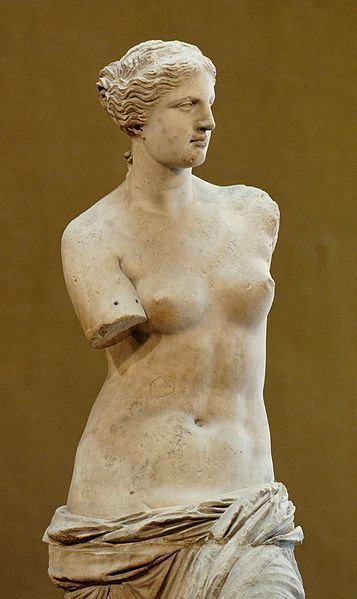
Classical phenotype for women is not really like modern beauty standards:

Aphrodite-goddesses-16473436-357-599.jpg


6bd4985b98296f313faa45d8d414b877--greek-statues-ancient-greece.jpg
 
Another one from East Africa, he's close :)

67dcfb0e0fb224bcbdc9157ce7e28d1c--book-format-sudan.jpg

He is indeed. Beautiful nose. :) That very slight dip makes it more beautiful, in my opinion. The absolutely parallel one is a little too much for me, almost alien looking. I think the artists may have exaggerated it. Well, except for Antinous, who was indeed divine. :)

I guess it must be EEF derived then, which I always suspected. Well, have to be careful of my terms...early Neolithic farmer.

The latest figures are from 35% to almost 45% in certain areas in the general vicinity, yes, with the highest being in certain Ethiopian groups? The climate probably dictates that the hair texture and skin remain original.

Not all Somali's have it, not even Iman. Very nice nose, but I think hers is very depressed at the root.

iman-cosmetics-400a121307.jpg-JPEG-Image-400x533-pixels.jpg
 
Back
Top