
Tautalus
Regular Member
- Messages
- 572
- Reaction score
- 1,461
- Points
- 93
- Ethnic group
- Portuguese
- Y-DNA haplogroup
- I2-M223 / I-FTB15368
- mtDNA haplogroup
- H6a1b2y
Norway's success in this World Cup wasn't born overnight, it was built over decades through a national sporting philosophy called "Idrettsglede" ("Joy of Sport").
Norway has become arguably the world's most successful sporting nation per capita through this long-term philosophy. Rather than focusing on producing champions as early as possible, the Norwegian system aims to ensure that every child enjoys sport, develops fundamental skills, and remains physically active for life. This philosophy is enshrined in the Children's Rights in Sports and the Provisions on Children's Sports, which guarantee every child the right to participate in a safe, inclusive and enjoyable sporting environment regardless of ability, gender, background or family income.
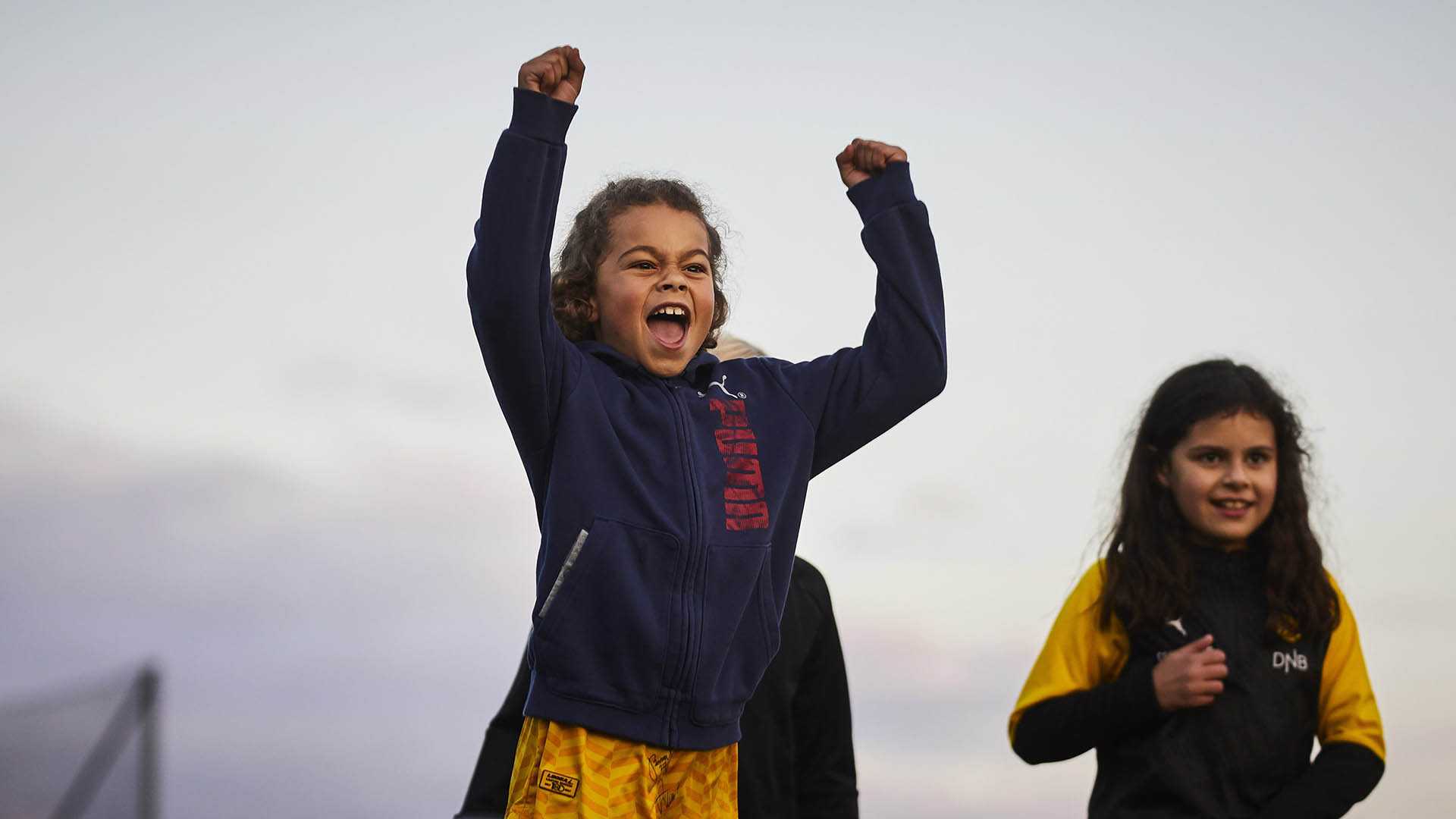
 www.idrettsforbundet.no
Around 93% of Norwegian children take part in organised sports during their childhood, mainly through more than 11,000 local volunteer-run clubs. Children are encouraged to play multiple sports, develop a broad range of motor skills and choose how much they wish to train. Competition exists but is carefully adapted to children's age and maturity: local competitions begin around age six, regional events at nine, national rankings and results lists are generally introduced only from age eleven, and children under thirteen are protected from excessive pressure, while national championships are prohibited until after age twelve. The emphasis is always on enjoyment, friendship, mastery, learning and personal development rather than winning at all costs.
www.idrettsforbundet.no
Around 93% of Norwegian children take part in organised sports during their childhood, mainly through more than 11,000 local volunteer-run clubs. Children are encouraged to play multiple sports, develop a broad range of motor skills and choose how much they wish to train. Competition exists but is carefully adapted to children's age and maturity: local competitions begin around age six, regional events at nine, national rankings and results lists are generally introduced only from age eleven, and children under thirteen are protected from excessive pressure, while national championships are prohibited until after age twelve. The emphasis is always on enjoyment, friendship, mastery, learning and personal development rather than winning at all costs.
This approach deliberately combats problems seen in many elite youth systems, such as early specialisation, burnout, excessive parental pressure and the Relative Age Effect, where children born earlier in the selection year are often mistaken for being more talented simply because they mature sooner. By delaying selection and keeping almost every child involved, Norway retains a much larger and more diverse talent pool, allowing late bloomers to flourish and ensuring that talent is identified over many years rather than a few early competitions.
When athletes reach adolescence and adulthood, the system gradually shifts towards high performance. Elite athletes receive support from Olympiatoppen, Norway's national high performance centre, where coaches, physiologists, nutritionists, psychologists and sports scientists work together using advanced evidence based methods. The internationally recognised Norwegian Training Method, based on careful monitoring of lactate thresholds and meticulous physiological data, has helped produce world-class endurance athletes such as the Ingebrigtsen brothers while fostering an unusual culture of openness and knowledge sharing between coaches and researchers.
Norway's success is also rooted in its wider society. A strong social-democratic welfare state, high levels of social trust, widespread volunteering, accessible public facilities, affordable participation costs, excellent education and healthcare, and reasonable work-life balance allow parents and local communities to play an active role in children's sporting lives. Wealth provides the infrastructure and resources, but it is the culture and organisation of the system that transform those resources into sporting excellence.
The result is a country of just over five million people that consistently dominates the Winter Olympics while producing world class athletes across football, athletics, triathlon, golf, tennis, beach volleyball, chess, weightlifting and many other sports. Norway's model demonstrates that the most effective way to create champions is not to chase victories in childhood, but to maximise participation, enjoyment, long term development and equal opportunity. By putting children first, Norway has built not only exceptional athletes but also one of the healthiest and most active sporting cultures in the world.

Norway has become arguably the world's most successful sporting nation per capita through this long-term philosophy. Rather than focusing on producing champions as early as possible, the Norwegian system aims to ensure that every child enjoys sport, develops fundamental skills, and remains physically active for life. This philosophy is enshrined in the Children's Rights in Sports and the Provisions on Children's Sports, which guarantee every child the right to participate in a safe, inclusive and enjoyable sporting environment regardless of ability, gender, background or family income.
Children's rights, provisions and safeguarding in sports
Children's sports are organised sports activities for children up to and including the year they turn 12 years old. In Norway, 9 out of 10 children between the ages of 6 and 12 years participate in one or more sporting activities. At the core of all activities for this age group are our values...
This approach deliberately combats problems seen in many elite youth systems, such as early specialisation, burnout, excessive parental pressure and the Relative Age Effect, where children born earlier in the selection year are often mistaken for being more talented simply because they mature sooner. By delaying selection and keeping almost every child involved, Norway retains a much larger and more diverse talent pool, allowing late bloomers to flourish and ensuring that talent is identified over many years rather than a few early competitions.
When athletes reach adolescence and adulthood, the system gradually shifts towards high performance. Elite athletes receive support from Olympiatoppen, Norway's national high performance centre, where coaches, physiologists, nutritionists, psychologists and sports scientists work together using advanced evidence based methods. The internationally recognised Norwegian Training Method, based on careful monitoring of lactate thresholds and meticulous physiological data, has helped produce world-class endurance athletes such as the Ingebrigtsen brothers while fostering an unusual culture of openness and knowledge sharing between coaches and researchers.
Norway's success is also rooted in its wider society. A strong social-democratic welfare state, high levels of social trust, widespread volunteering, accessible public facilities, affordable participation costs, excellent education and healthcare, and reasonable work-life balance allow parents and local communities to play an active role in children's sporting lives. Wealth provides the infrastructure and resources, but it is the culture and organisation of the system that transform those resources into sporting excellence.
The result is a country of just over five million people that consistently dominates the Winter Olympics while producing world class athletes across football, athletics, triathlon, golf, tennis, beach volleyball, chess, weightlifting and many other sports. Norway's model demonstrates that the most effective way to create champions is not to chase victories in childhood, but to maximise participation, enjoyment, long term development and equal opportunity. By putting children first, Norway has built not only exceptional athletes but also one of the healthiest and most active sporting cultures in the world.