back to Karlovac rodoslov
"
"All Serbs worshipped Dagon. From Dagon the Dagonians and Dacians received their names; From Ser, all the Serbs."
so, Dagon is paired with Ser. But who is Ser?
perhaps his wife?
Dagan's wife was in some sources the goddess Shala (also named as wife of Adad and sometimes identified with Ninlil). In other texts, his wife isIshara.
http://en.wikipedia.org/wiki/Dagon
Ishara (išḫara) is the Hittite word for "treaty, binding promise", also personified as a goddess of the oath.
In Hurrian and Semitic traditions, Išḫara is a love goddess, often identified with Ishtar.
The name is from a PIE root *sh[SUB]2[/SUB]ei "to bind (also magically)", char in Bulgarian "magical charming", also in Greek himas "strap" and Old Norse / Old High German seil "rope". Possibly also cognate is soul, and Welsh Gwen-hwyfar (Irish Find-abair, from Proto-Celtic *windo-seibaro- "white ghost", from a meaning "enchanted" of the extended root *sh[SUB]2[/SUB]ei-bh-). ishar (or eshar), oblique ishan-, the Hittite for "blood" is probably derived from the same root, maybe from a notion of "bond" between blood-relations (c.f. Sanskrit bandhu). The verb ishiya "to bind, fetter", "to oblige" is directly cognate to Sanskrit syati or Russian shyot with similar meanings.
Her astrological embodiment is the constellation Scorpio and she is called the mother of the Sebitti (the Seven Stars) (Seux, 343). Ishara was well known in Syria from the third millennium B.C. She became a great goddess of the Hurrian population. .... she was invoked to heal the sick (Lebrun).[1]
The Hurrian cult of Ishara as a love goddess also spread to Syria.
http://en.wikipedia.org/wiki/Ishara
Ishtar (pronounced /ˈɪʃtɑːr/; Transliteration: DIŠTAR; Akkadian: ������������ 
 ; Sumerian ������������������) is the Assyrian and Babylonian goddess of fertility, war, love, and sex.[1] She is the counterpart to theSumerian Inanna and to the cognate north-west Semitic goddess Astarte.
Ishtar was the goddess of love and war, above all associated with sexuality.....
In the Babylonian pantheon, she "was the divine personification of the planet Venus".[4]
we know that in latin alternative name for Danube is Ister....
question is whether this could be a legacy to a worship of Ishtar godess, wife of Dagon.....
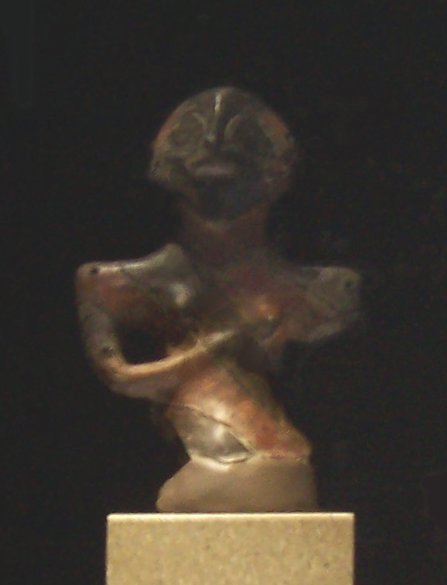
Vinca culture worships fish-like beings like Dagon...
Karlovac rodoslov tells that all Serbs worshiped Dagon and got their name from Ser, while Dacians got name from Dagon. This looks like a pair of deities where west part (Danubian) got name after female, and east part Dacia after male.....
Danube area where they live would accordingly be named Ister...
among Dacians are Carpi/Harpi who can perhaps be mapped to later Croats (Hrvati)...
if Ser comes from Ishara/ Ister there ought to be alike goddess in Slavic mythology to which when religion was changed tribal name is transfered....
and it is Zorya
"
She is depicted as a warrior goddess, fully armed and courageous, and was invoked to protect against death in battle with the prayer "Defend me, O maiden, with your veil from the enemy, from the arquebus and arrow..."[citation needed] She is a patroness of horses, protection, exorcism, and the planet Venus, and Slavs would pray to her each morning as the sun rose.[4] "
http://en.wikipedia.org/wiki/Zorya
now, Ishtar was related to Venus and so is Zorya... they are both also war goddesses and love godesses...
this is related to what i was writing before about Zorya/Danica goddess ...
i was writing about Serians/Zeruiani ("state of Zeruiani was so big that all Slavs origin from it" - Bavarian geographer) being in fact Zoryans - people of Zorya....
http://www.eupedia.com/forum/showthread.php?26546-Dacian-Language&p=374314&viewfull=1#post374314
Zorya serves the sun god Dažbog = Daž + bog (slavic for 'god') - could this god be legacy of Dagon worship? Dag -> Daž?
in Slavic mythology Dazbog is not central god, he is replaced with PIE god Perun (same as Baltic Perkunas, Celtic Taranis, germanic Thor).... logically, in some myths Zorya is Perun's wife, while she is said to serve Dažbog....
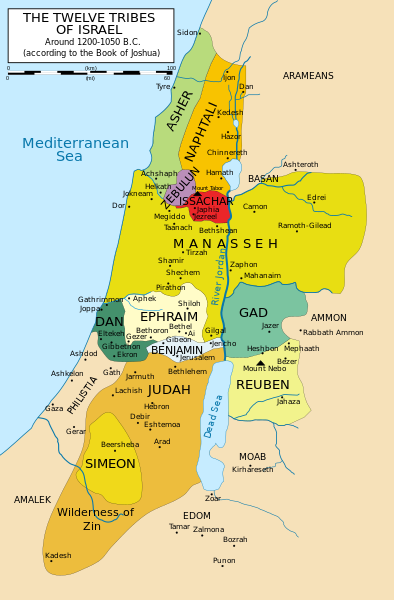
worship of Dagon is mentioned in old testament as worshiped by tribe of Asher:
In the Tanakh (also referred to as the Old Testament or Hebrew Bible), Dagon is particularly the god of the Philistines with temples at Beth-dagon in thetribe of Asher (Joshua 19.27), in Gaza (Judges16.23, which tells soon after how the temple is destroyed by Samson as his last act).
http://en.wikipedia.org/wiki/Tribe_of_Asher
tribe of Asher is one of the ten lost tribes of Israel....
wikipedia makes curious sentence from suspicious source "
Asher Tribe also has links to preancient and ancient India, China and Central Asia, Siberia and Europe, as well as the Americas"
now, if Philistines partially origin from "sea people" (e.g. tribe Dan from Denyen) than Asher can be related to tribal name of Serres/Serians which is a tribe related to Siberia, central Asia, China and Europe...
........................................................................................................
note that tribal name such as Deutch may as well be derived from Dagon in same way as Dacians.... name Dutch is exonym comming from England....
it is interesting to wonder whether name of central deity has legacy in modern languages
in many cultures, it would be normal to greet people with mention of God...
a day/night cycle is also typically related to primary God...
hence it is expected that a word for "day" may have something to do with ancient deities...
"day" also as in greeting "good day" in dutch is "Dag" in german "tag" which could relate to Dagon
english "day" however may come from "Dei" as in "deity" like Greek Deus
in Slavic countries "day" is "dan" and for "dawn" is "zora/zorya"
(Zorya/Danica)
it might indicate that english language doesnot origin from area of Dagon
hence there "dog" is word used for tamed wolf (wolfs being people under Dagon - e.g. Dacians...)
in english in fact word "God" is reversed of "Dog"
while in Slavic reversed deity would now be referred to as "Gad"...
the differences that we see in language could be a reflection of an old division in religious groups....
Dacians and Germans being Dagon worship areas, Slavs being related to Isher/Ishtar/Ser/Zorya
and Scandinavians and Danes (from where english comes to UK) being perhaps originally related to some other religion....maybe something alike to the one of ancient Greeks...
----------------------------------------------------------
after linking Ishara/ Ishtar/Ser/Zorya
and relating ancient ancestors of Serbs with Dagon worship
maybe link to Celtic connection should be reexplored...
in
http://www.eupedia.com/forum/showth...bian-parallels&p=390588&viewfull=1#post390588
Taranis claimed
"
Danu is an Indo-European river/mother goddess found both in Celtic and in Hindu mythology. It is clearly unrelated with the Slavic word for day, and a connection with Zorya (or with "Danitsa") is completely spurious."
Zorya = Dawn Dan = day
its about mother goddess essentially
if Zorya is in fact Ishar/Ishtar as I show above and
Danube (where Danubian Slavs who worship her live), is alternativelly called Istar,
does not that give a clue that it is the more or less the same godess afterall
"
Dagda is derived from earlier *Dagodeiwos (as you wrote above), meaning 'good god'. Dagda is also known as "Ollathair"
- Dajbog is derived from Proto-Slavic *dati- (to give, compare with Latin "dare", Greek "dosis") and PIE *bhag- (to divide, compare Sanskrit "bhajati" - "to distribute"). Dajbog is thus the "giving god" or possibly, the "giver of wealth"."
in my opinion both were legacy of Dagon worship....
what is "good god" but the one who "gives"...
but it is not that God is named after words, but words came to existance after name of God...Dagon in this case...
-------------------------------------
note that Zeruiani are widely interpreted and Serbs, but in fact that is in my opinion name of pre-Slavic people.... while Serbs are a border part of that stock... e.g. same like Zebulun tribe of Israel is on south border of tribe Asher....
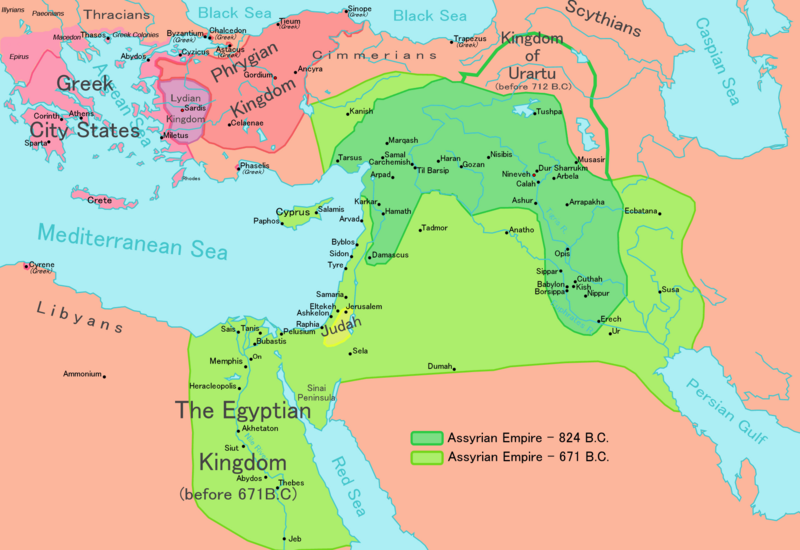
this is logical comparison as Israel area was likely settled during invasion of sea peoples coming from north... and as legend says northerners made a conspiracy and united to invade south areas..... tribes of Israel are perhaps a set of colonies founded by various northern nations....




.svg/342px-Coat_of_arms_of_Serbia_(2004-2010).svg.png)


 http://maps.google.com/maps/ms?hl=en...2&source=embed