

A new preprint from De Coster at al.
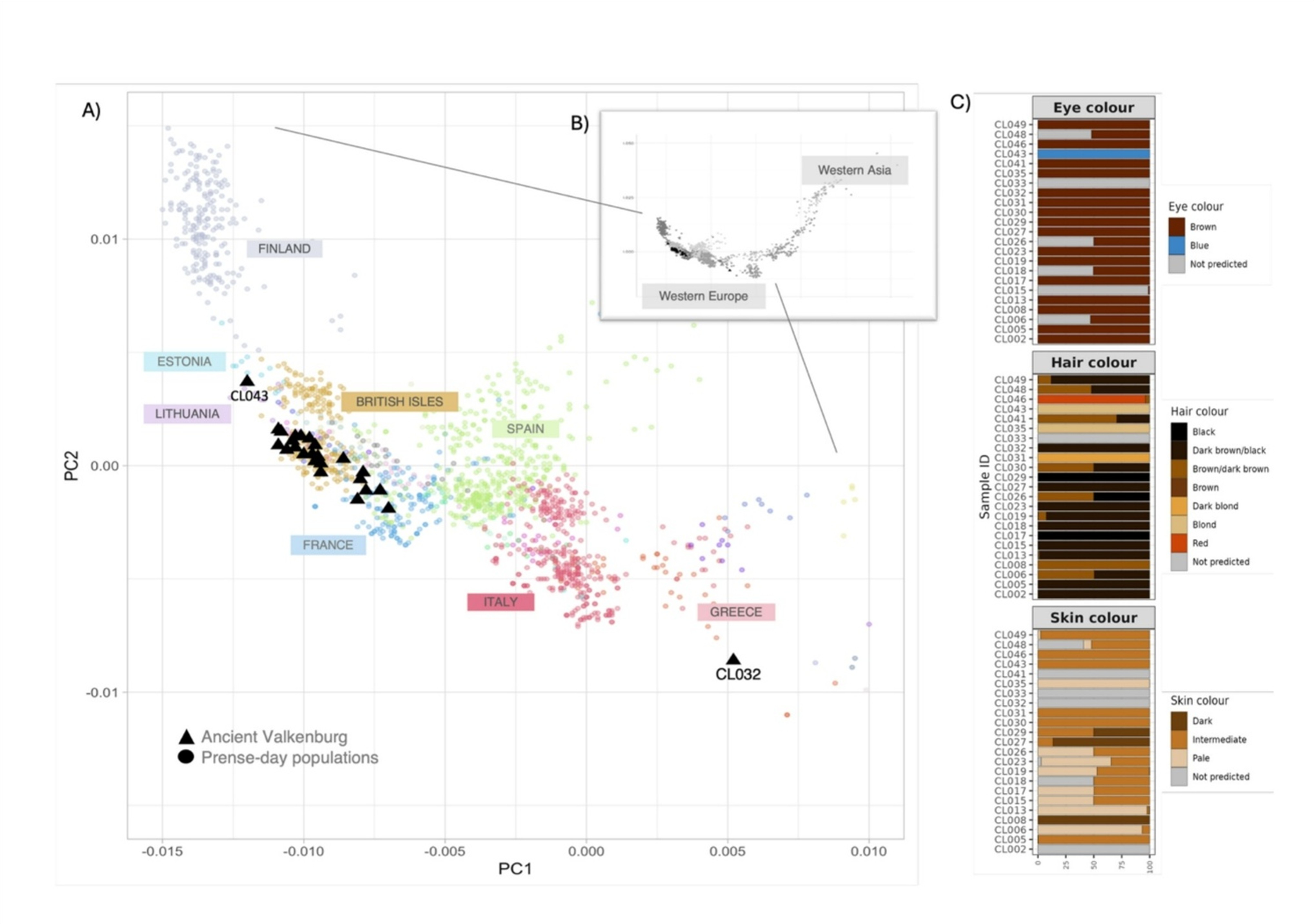
Study Objective
The research investigates the demographic makeup of Roman military communities stationed along the empire's frontier, known as the Lower Rhine Limes. To understand the origins of these populations, the authors utilized ancient DNA (aDNA) and other biomolecular evidence extracted from archaeological remains. This scientific approach allows researchers to accurately trace the geographic and genetic lineage of individuals who lived in these military camps.Major Findings
The study's ancient DNA analysis establishes that these border communities possessed highly heterogeneous ancestry profiles. The biological evidence supports broader historical theories about Roman military demographics:- The Roman army acted as a massive genetic and cultural melting pot that blended diverse populations.
- Military units successfully integrated citizens, non-citizen auxiliaries, and camp followers from across the empire into cohesive communities.
- Soldiers stationed far from their homelands actively intermingled with local populations, forging multicultural frontier societies


