• Don't want to see ads? Install an adblocker like uBlock Origin or use a Europe-based privacy-friendly browser like Vivaldi or Mullvad.

Who were and are the Serbs and their DNA

don't know what you mean by Serbs were from Thesally in Greece...

there is town Servia in Greece but is as far as I know unrelated to Serbs
http://en.wikipedia.org/wiki/Servia,_Greece
Romans gave that name to the town in 2nd century AD. The name derives from the Latin verb "servo", meaning 'to watch over'. During ancient times, Servia served as a fort for the passage-way between Macedonia and Thessaly.


btw. notice that bulk of military terms such as 'sabre', sword'...have similar root as serb/sord/sard... and that word German might be related to Germanic word for 'spear' and has meaning man with spear....also note that 'spear' in Illyrian is 'sibina' and in latin 'sibyna'/ 'sybina'.... it's interesting that there is high correlation of tribal names German, Serb, and Boii with military related terms... I think that haplogroup I people were traditionally soldiers...


I meant that the name Serbia was originally Servia , in that these Serbs today really originated from the bulgar slavs, and that the Byzantine nation offered these "rebellious" bulgars who became Servians ( Serbians) a place of refuge further south than what is currently Serbia now.
The Serbian coat of arms for respect has Byzantine symbols/icons

As for meaning of words, it is fasinatting that migratory people take words they discover after migrating and try to make them there own.
These illyrian words where noted in Roman text at around 200BC ( wilkins book)

Servia is
http://www.newadvent.org/cathen/13732a.htm

http://www.jstor.org/pss/1252947

I thought you knew that the only slavs that migrated into the bulkans where the present bulgars and croatians. Maybe slovenes as well, But I conclude the slovenes are croatians who emigrated into Venetic lands, while the other craotians migrated into illyrian lands
My croat and slovene friends are taught this , while the Serb friend has no idea on how the name serb came around

Anyway, I have found this as well
Serbs belong to the Southslavonic group of Indo-European peoples. As their tradition, culture, language, beliefs, and customs show, the ethnogenesis of Serbs goes far back into the past. Serbian ancestors, Protoslavs and Old Serbs, were described in the 5th century BC by Herodotus, under the names of Neuri and Budini, living north of the Danube in the region between Dniepar and north-eastern Carpathian Mountains.
The first mention of the name "Serbs" appears in the 1st century BC (69- 75), in the Historia naturalis by Plinius Caecilius Secundus, who states that Serbs (Serbi) live on the coast of the Black Sea. In the 2nd century, Claudius Ptolomaius writes in his Geographica that Serbs (Serboi, Sirboi - Serboi, Sirboi) live behind the Caucasus, near the hinterland of the Black Sea. The first mention of the Serbian name on their present ethnical location appears in 822, in the work of Frank chronicler Einhardt (Annales regni Francorum).
 
I meant that the name Serbia was originally Servia , in that these Serbs today really originated from the bulgar slavs, and that the Byzantine nation offered these "rebellious" bulgars who became Servians ( Serbians) a place of refuge further south than what is currently Serbia now.
The Serbian coat of arms for respect has Byzantine symbols/icons

As for meaning of words, it is fasinatting that migratory people take words they discover after migrating and try to make them there own.
These illyrian words where noted in Roman text at around 200BC ( wilkins book)

Servia is
http://www.newadvent.org/cathen/13732a.htm

http://www.jstor.org/pss/1252947

I thought you knew that the only slavs that migrated into the bulkans where the present bulgars and croatians. Maybe slovenes as well, But I conclude the slovenes are croatians who emigrated into Venetic lands, while the other craotians migrated into illyrian lands
My croat and slovene friends are taught this , while the Serb friend has no idea on how the name serb came around

Anyway, I have found this as well
Serbs belong to the Southslavonic group of Indo-European peoples. As their tradition, culture, language, beliefs, and customs show, the ethnogenesis of Serbs goes far back into the past. Serbian ancestors, Protoslavs and Old Serbs, were described in the 5th century BC by Herodotus, under the names of Neuri and Budini, living north of the Danube in the region between Dniepar and north-eastern Carpathian Mountains.
The first mention of the name "Serbs" appears in the 1st century BC (69- 75), in the Historia naturalis by Plinius Caecilius Secundus, who states that Serbs (Serbi) live on the coast of the Black Sea. In the 2nd century, Claudius Ptolomaius writes in his Geographica that Serbs (Serboi, Sirboi - Serboi, Sirboi) live behind the Caucasus, near the hinterland of the Black Sea. The first mention of the Serbian name on their present ethnical location appears in 822, in the work of Frank chronicler Einhardt (Annales regni Francorum).

I do not think you have read my last edit of my previous post...
so i will repeat key part...

Byzantine emperor said Serbs came to Serbia from land they call Boika... I give you here genetic evidence that that was land of Boii or Bohemia

according to Byzantine emperor, modern Serbs origin from white Serbs who settled Balkan from the land they call Boika...the land neighbours Frankia... Byzantine emperor also claimed that it is the land where they have originally dwellt...
http://books.google.com/books?id=3al...page&q&f=false

now, Boika is about land of Boii...
the lands where Boii originally lived are Bohemia and Bavaria both named after them because Boii originally dwellt there..... and both neighbouring Frankia... also Serb related toponyms are in that area...Srby 2 times in Bohemia and Sorviodurum (Straubing of today) in Bavaria...
http://en.wikipedia.org/wiki/Srby_(P...outh_District)
http://en.wikipedia.org/wiki/Srby_(D...lice_District)
http://en.wikipedia.org/wiki/Straubing

Bohemia area in Srby-Srby-Sorviodurum triangle is also local hotspot of I2a2 ... (see results for places Klatovy and Pisek in "Y-Chromosomal Variation in the Czech Republic" Luca et al. and compare to other tested Czech towns...Klatovy is in triangle Srby-Srby-Sorviodurum and has 3 times more I2a2 (I2a - P37 in text) than towns in central, east and north part of Czech republic...Pisek is somewhat east of the triangle and has twice the frequency typical for other parts of the country)

and you are right I2a2 Serbs did not first settle Balkans in 6th century with Croats and Bulgars... Croats and Bulgars are originally R1a steppe people probably of Turkic or mixed Turkic - iranian origin who accepted Slavic language after rullng over Slavic people...they are Hurians who got to rule over some Serian/Slavic people, while Serbs are Serians in origin...

Serbs were in Balkan before as Scordisci/Serdi ... part of them might retreated to their original home of Bohemia during Roman conquest and they returned in 6th century... but there are other related Serbs, such as the one in Caspian highlands...today Chuvash people with 11.3% of I2a2 might origin partly from Sabirs, who likely partially origin from Serboi mentioned by Ptolemy and Serians of Caspian highlands mentioned by Seneca.... prior to Roman conquest Scordisci did live mixed with Illyrians which explains relatively high E-V13 in today Serbs... Scordisci were alies of Illyrians when they were attacked by Dacians in their war with Celtic people...


Seneca clearly states that Serians live throughout Euroasia...both in Europe, in caspian highlands, in south Siberia/north China and on Red sea... Capadocia cluster of I2a is clearly related to same people as Strabo calls Cappadocians white Syrians....those Cappadocia people are Cimmerians and archeological sites of Thraco-Cimmerians in Europe match early Slavs and I2a2 spread...in same time manuscript of Bavarian geographer states that the state of Zeruiani (which is clearly same tribal name as Serian/Syrian) was so big that all Slavs origin from it...

all together it is overwhelming evidence pointing in same direction and telling same story......

The Serbian coat of arms for respect has Byzantine symbols/icons
not true...
Byzantine coat of arms that you refer to appears only in 11th century with royal family of Palaiologos that origins from Serb settled Macedonia... same symbols exist in coats of arms of Serbian nobles house of Mrnjavcevici from Macedonia...so the symbols might have travelled other way around...

especially because we can attest elements of Serbian coat of arms in Poland and Belorusia as I have explained in
http://www.eupedia.com/forum/showthread.php?25689-New-haplogroup-I2a-map&p=362715#post362715
http://www.eupedia.com/forum/showthread.php?25689-New-haplogroup-I2a-map&p=362844#post362844
http://www.eupedia.com/forum/showthread.php?25689-New-haplogroup-I2a-map&p=362846#post362846
...
in any case it has nothing to do with being grateful to Byzantine empire... as both Byzantine and Serb coat of arms appear at least 4 centuries after the settlement time...
 

that's not really worth reading...

it is typical Croatian propaganda.... do not know how can anyone take that seriously...
Croat authors are well known as falsifiers of history...

put invertor before what you read there..


1) text claims Croats were also commonly known as Goths... however, there is only single disputed source (http://en.wikipedia.org/wiki/Chronicle_of_the_Priest_of_Duklja) that names south Slavs (not Croats in particular) as Goths and it is written much after settlement of south Slavs on Balkan...
the source does though provide history of Gothic rulers in area and claims how later division on Serbs and Croats came after two sons of one of the kings have divided their state... and since part along the sea (including Montenegro) was named Croatia the people there became Croats, and since part further from sea that is described as Bosnia and Rascia was named Serbia, people living there were named Serbs....source speaks of Goths being wild, aggressive and numerous people and that later they did let few Slavs who were good people to settle among them... source also claims that Bulgarians came to area as Slavic speaking people and that their settlement was extremelly massive...which again contradicts other sources...


2) while text claims Carpathians were called Harvate mountains (Carpatians), their name in fact comes from Thracian Greek Καρπάτῆς όρος (Karpates oros), meaning "rocky mountain"...Carpatians were also named by a tribe, but not as Harvate mountains, but as montes Serrorum... I think I have explained well who the Serians were... I do not exclude possibility that Croats tribal name is derived from name for settlers of Carphatians... but obviously flow of the name cannot be in direction that text infers and from what I could see there was never mention of Carpathians as Harvate mountains...only as montes Serrorum...

http://en.wikipedia.org/wiki/Carpathian_Mountains

3) text claims that Croats are named after the Harahvaiti or Sarasvati River... well it is Saraswati and not Harahvati... The name Saraswati came from "saras" (meaning "flow") and "wati" (meaning "a woman").... so much about that link unless tribal name Croats means 'flowing woman' or 'woman's flow'...
http://en.wikipedia.org/wiki/Sarasvati

4) there is the claim "The Sarmatians were generally identified as Scythians."...simply not true...we know that Scythians and Sarmatians were different people and competing for resources..... legend of origin of Sarmatians recorded by Greeks though sets them as offshot of group of Scythians intermarrying group of Amazones...

5) older versions of the paper contained claim that tribal name Serb comes from iranian Charv that means cattle... but obviously to anyone with a brain, Charv can rather be origin of Croat (Hrvati) than of Serbian (Srbi) tribal name

6) "Our investigations have led us to believe that of the Serbs presently in Bosnia and Herzegovina 32 to 35% are descended from Orthodox Croats, 50 to 52% are from non-Slavic Wallachs, 6 to 7% are from Serbianized Bulgarians, Greeks, Armenians and Albanians and 8 to 10% from genuine ethnic Serbs who came there mainly during Austro-Hungarian rule and during the time of the two Yugoslavias. (Mandic 1970, ch.7)"

however, Serbs from Bosnia and Serbs from Serbia have roughly same percentages of various YDNA haplogroups, while in Croats regional differences are enormous.... which clearly indicates recent big admixtures in Croats, and distant past of Serb ethnogenesis...

text claims that 30% of Bosnia Serbs are Croat origin, while historical sources of Byzantines speak of Narentanes or Paganians (http://en.wikipedia.org/wiki/Pagania) who are forefathers of Herzegovian and south Croatia Croats (and also most I2a2 dominant people in world and clear source of I2a2 in Croats) as unbaptized Serbs...
http://books.google.com/books?id=3a...istrando imperio&pg=PA165#v=onepage&q&f=false

even in WW2 official politics of Croats was to kill 1/3 of Serbs, to expell 1/3, and to convert to catholics thus to Croats the remaining third.... so much about who has 30% of whose genes there...
 
Last edited:
Last edited:
I am puzzled about R1a and I2a in proto-Serbs, but perhaps when searching for tribal identity I should look in mitohondrial lineages as Serbs tribal name probably origin from queen of Sheba, and we know that Ptolemy records Serboi as living next to Amazones


from article about genetic study of Etruscans...these are near eastern components in mtDNA of Tuscany....

AJHGv80p759fg3.jpg

http://www.ncbi.nlm.nih.gov/pmc/articles/PMC1852723/

note how core of R0a is in area of ancient Sheba
there we find legendary queen of Sheba, known in south of her country as Makeda, and by Arabs (thus on east of her country) as Balkis
http://en.wikipedia.org/wiki/Queen_of_Sheba

this maps both by names and by geographical orientation to Serbs, to Macedonians south of Serbs, and to Bulgars east of them

look again at R0a in Europe - clearly Serbs, Macedonians, Bulgars and Etruscans... no one else nowhere around

but this indicates that there never was big movement of people!!

what could have happened is that pressed by Roman empire spreading part of Serbs, or Scordisci/Serdi goes up the Danube to Bohemia and to return after Roman empire is falling a part... and in same way that part of Bulgars retreat along shores of Black sea to Volga river and to return when Roman empire is falling a part....

this is in accordance with Russian primary chronicle

After the destruction of the tower and the division of the nations, the sons of Shem occupied
the eastern regions, and sons of Ham those of the south, and the sons of Japheth the western and
the northern lands. Among these seventy-two nations, the Slavic race is derived from the line of
Japheth, since they are the Noricians, who are identical with the Slavs.
Over a long period the Slavs settled beside the Danube, where the Hungarian and Bulgarian
lands now lie.
From among these Slavs, parties scattered throughout the country and were known
by appropriate names, according to the places where they settled. Thus some came and settled by
the river Morava, and were named Moravians, while others were called Czechs. Among these
same Slavs are included the White Croats, the Serbs, and the Carinthians. For when the Vlakhs
attacked the Danubian Slavs, settled among them, and did them violence, the latter came and
made their homes by the Vistula,
and were then called Lyakhs.
http://www.utoronto.ca/elul/English/218/PVL-selections.pdf
 
Last edited:
I would postulate possibility that Dorians were actually same people as Serians/Zeruiani/Zoryans...

Homeric Dera means fleece
http://www.eupedia.com/forum/showthread.php?26187-Macedonians&p=365872&viewfull=1#post365872


Seres (Gr. Σῆρες, Lat. Sērēs) was the ancient Greek and Roman name for the inhabitants of eastern Central Asia, but could also extend to a number of other Asian people in a wide arc from China to India.[1] It meant "of silk," or people of the "land where silk comes from." The country of the Seres was Serica.
http://en.wikipedia.org/wiki/Seres

Seneca captures world spread of Serians:
in Europe living around Danube (as Scordisci/Serdi in that time do), ruling over Scythians, in Caspian higlands living among Sarmatians (as Serboi/Serbi do), in Asia where they make fleece, and on red sea (possible match are Sabeans)

369] Though kings should gather themselves together, both they who vex the scattered Scythians and they who dwell upon the Red Sea’s marge, who hold wide sway o’er the blood-red main with its gleaming pearls, they who leave unguarded26 the Caspian heights to the bold Sarmatians; though he strive against him, who dares on foot to tread the Danube’s waves27 and (whersoe’er they dwell,) the Serians28 for fleeces famous – ‘tis the upright mind that holds true sovereignty. He has no need of horses, none of arms and the coward weapons which the Parthian hurls from far when he feigns flight, no need of engines hurling rocks, stationed to batter cities to the ground. A king is he who has no fear; a king is he who shall naught desire. Such kingdom on himself each man bestows.
.....
27. i.e. the frozen surface.
28. The poet here conceives of the Serians as near by Scythia.
Seneca - Thyestes
http://www.theoi.com/Text/SenecaThyestes.html

Dorians might have been same people as Serians/Zeruiani/Zoryani - people named after Slavic tripple goddess Zorya - also known as star Danica... thus making those people perhaps from the stock of Danaans.... which explains why Homerolog Roberto Sallinas Price claims that Homer's work was originally written in slavic-like language...
btw. what if Homer is not personal name, but a nation of blind poet - Gomer or Cimmerian...

Zorya = serbian 'zora' = 'dawn' in english
serbian 'dan' = 'day' in english

Teshub (this is his Hurrian name, Hattian name is Taru, Hittite and Luwian name is Tarhun ) is clearly same god as Germanic Thor, Celtic Taranis, Baltic Perkunas and Slavic Perun..it is primery god of IE people....his carriage was drawn by two sacred bulls Seri and Hurri..their names mean day and night....


The sacred bull common throughout Anatolia was his signature animal, represented by his horned crown or by his steeds Seri and Hurri, who drew his chariot or carried him on their backs.
http://en.wikipedia.org/wiki/Teshub

thus, Seri = day
Zorya = dawn
Sera = Dera = fleece..
Seri = day and bull

The Morning Star is Zorya Utrennyaya (from Russian utro, meaning "morning"; also known as Zvezda Danica, Zvezda Dennitsa, Zwezda Dnieca, Zvezda Zornitsa, Gwiazda Poranna, Rannia Zoria, Zornica, Zornička), who opens the gates of Dažbog's palace each morning so that the Sun may begin his journey.[3] She is depicted as a warrior goddess, ....In some tales, she sits under the World Tree on the fiery-stone Alatuir, from which run the four rivers of the Otherworld, and under her seat flows the river of healing.....
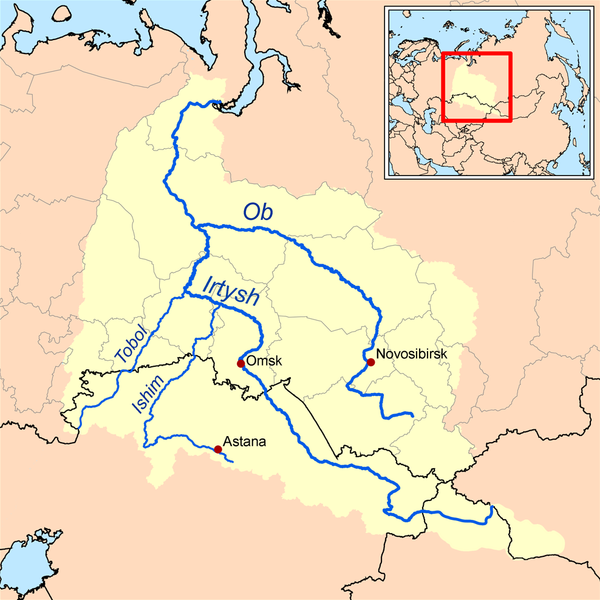
Alatuir is altai mountain and 4 rivers that separate world tree of people of same IE origin from other world (Chinese and Mongolians) are these

600px-Ob_watershed.png


this is about land of Serica bordering other world, world of Chinese and Mongolians....

land of Serica is marked with remains of haplogroup I in asia..both Serica proper that relates to northwest china (where today Sart and white-Sart people live), and arc from China to India (exactly where Sarbans live)...

I.png


Sart is a name for the settled inhabitants of Central Asia which has had shifting meanings over the centuries. Sarts, known sometimes as Ak-Sart ("White Sart") in ancient times, did not have any particular ethnic identification, and were usually (though not always) town-dwellers.
http://en.wikipedia.org/wiki/Sart

interestingly, the Muslim, Mongol-speaking Dongxiang people of Northwestern China call themselves Sarta or Santa. It is not clear if there is any connection between this term and the Sarts of Central Asia.
http://en.wikipedia.org/wiki/Sart


Zorya is also associated with moon
Conflicting accounts exist of her marital situation. In some myths, she is described as the wife of Perun and would accompany her husband into battle. In this role she was known to protect those warriors she favoured against death by letting down her veil. In other accounts, both she and Zorya Vechernyaya were the wives of the male Myesyats, the moon god, and by him bore all of the stars.
http://en.wikipedia.org/wiki/Zorya

13-th century Mongolian source, "Secret History of the Mongols" states that the Mongols called people from Central Asia, most notably Khwarezm, as "Sartuul". "Sar" in Mongolian means "moon", hence sart or sarta would mean "ones with (flag with) moon", since the Muslim people had Hilal symbol on their flags. One of the Mongolian tribes living in the Zavkhan province are descendants of merchants from Khwarezm, who resided in Harhorin. This tribe, still, is called Sartuul.
http://en.wikipedia.org/wiki/Sart

thus,
Dera = Sera = fleece
Zorya = dawn
dan = day
Seri = day and bull
Sar = moon

Sar+dan = moon+day

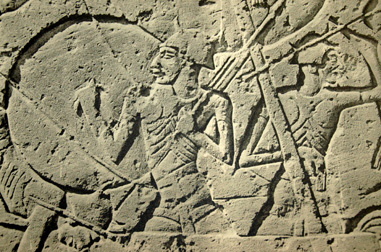
moon and bull on helmets of Sherdana (only toponym left after them is "Serbonian bog")
seapeoples18.jpg


The name of the Serbonian Bog (Arabic: مستنقع سربون‎) applied to the lake of Serbonis (Sirbonis or Serbon) in Egypt relates to the Sea Peoples. When sand blew onto it, the Serbonian Bog appeared to be solid land, but was in fact a bog. The term is now applied metaphorically to any situation in which one is entangled from which extrication is difficult.
The Serbonian Bog has been identified as Sabkhat al [Bardawil], one of the string of "Bitter Lakes" to the east of the Nile's right branch. It was described in ancient times as a quagmire, in which armies were fabled to be swallowed up and lost.
The term Serbonian came from the name of the Sherden (also known as Serden or Shardana) sea pirates, one of several groups of Sea Peoples who appear in fragmentary Egyptian records in the 2nd millennium BC.
http://en.wikipedia.org/wiki/Sea_people

tribal name Serbs likely origin from Slavic word "Srp" meaning sickle or crescent...

isn't this flag of medieval serbs nobles (also used as coat of arms of Serbs) with moon showing its different phases...
Herb_mrnjavcevici.jpg


isn't it same motive as celtic cross?
400px-Monasterboice_12.jpg


Danaans = Dorians = Zoryans/Zeruiani = Serians = white-Syrians = Cimmerians= Sumerians = Gomer = Sherdana = Scordisci = Serdi = white Serbs = white -Sart

Scordus mountain named after Scordisci is in turikish "Shar Dagh" thus almost exactly the same as sherdana...
http://en.wikipedia.org/wiki/Šar_Mountains

clearly, Sherdana must have contributed to Kurds as their ancestors are only logical explanation for sea peoples puzzle considering the order of conquest of sea people

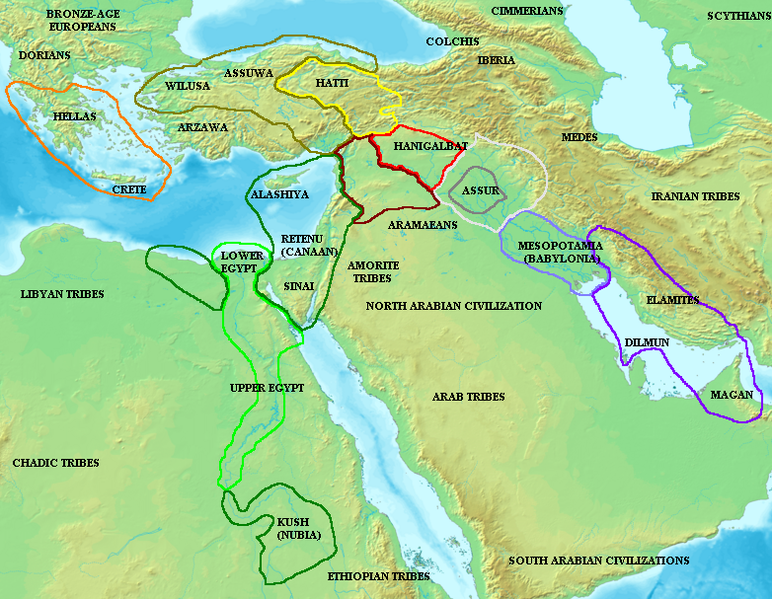
A terminus ante quem for the destruction of the Hittite empire has been recognised in an inscription carved at Medinet Habu in Egypt in the eighth year of Ramesses III (1175 BC). This text narrates a contemporary great movement of peoples in the eastern Mediterranean, as a result of which "the lands were removed and scattered to the fray. No land could stand before their arms, from Hatti, Kode, Carchemish, Arzawa, Alashiya on being cut off. [ie: cut down]"
http://en.wikipedia.org/wiki/Sea_people

order of contest Hatti, Kode, Carchemish, Arzawa, Alashiya clearly places invading people in location of Kurds

772px-Amarnamap.png


Kurds have significant I2a-Din

back to Zorya...
The home of the Zorya was sometimes said to be on Bouyan (or Buyan), an oceanic island paradise where the Sun dwelt along with his attendants, the North, West and East winds
http://en.wikipedia.org/wiki/Zorya

the home of white Serbs is Bohemia, where they also originally dwellt...
http://books.google.nl/books?id=3al...istrando imperio&pg=PA153#v=onepage&q&f=false

Gomer or Cimmerians are thought to have settled Cappadocia
in Strabo's times both tribes of Cappodocians = white-Syrians

Serbs are called white-Serbs... other people who origin from Serica have names like Sarbans, Sarta, white-Sart... Cimmerians are white-Syrians which according to Strabo's text in fact meant white Sumerians..

and those people who in a special sense of the term are called by the men of to‑day Syrians, who extend as far as the Cilicians and the Phoenicians and the Judaeans and the sea that is opposite the Aegyptian Sea and the Gulf of Issus.

2 It seems that the name of the Syrians extended not only from Babylonia to the Gulf of Issus, but also in ancient times from this gulf to the Euxine. At any rate, both tribes of the Cappadocians, both those near the Taurus and those near the Pontus, have to the present time been called "White Syrians,"3 as though some Syrians were black, these being the Syrians who live outside the Taurus; and when I say "Taurus," I am extending the name as far as the Amanus. When those who have written histories of the Syrian empire say that the Medes were overthrown by the Persians and the Syrians by the Medes, they mean by the Syrians no other people than those who built the royal palaces in Babylon and Ninus; and, of these Syrians, Ninus was the man who founded Ninus in Aturia, and his wife, Semiramis, was the woman who succeeded her husband and founded Babylon.
http://penelope.uchicago.edu/Thayer/E/Roman/Texts/Strabo/16A*.html

archeological findings of Thraco-cimmerians = spread of I2a-Din in Europe

Thraco-Cimmerian.png

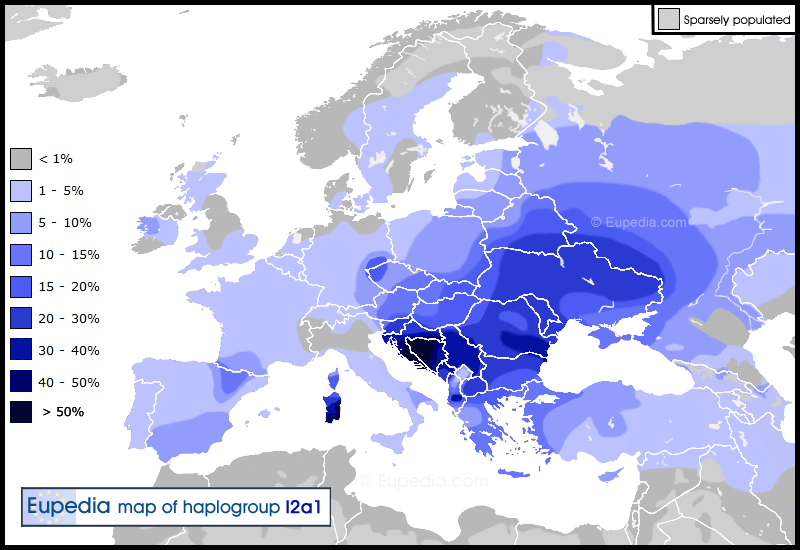
Haplogroup_I2a.gif


and spread of early Slavs
Origins_500A.png


manuscript of Bavarian geographer says that state of Zeruiani was so big that all Slavs come from it...

in the end note the Siraces, who live among Sarmatians (most hellenized of all Sarmatians) and are thought to be same as Serboi (Serboi are those Serians who live in Caspian highlands unguarded from Sarmatians)

The Siraces (Greek: Sirakoi, Latin: Siraci, also Siraceni and Seraci[1]) were a hellenized Sarmatian tribe that inhabited Sarmatia Asiatica; the coast of Achardeus at the Black Sea south of the Caucasus mountains, Siracena[1] is mentioned by Tacitus as one of their settlements. They were said to be relatively small nation but with great moral.
...
They are believed to be the same or connected to the Serboi.
http://en.wikipedia.org/wiki/Siraces#cite_note-SA-1

http://en.wikipedia.org/wiki/Siraces
 
hi yes no - first you convinced yourself that I2 was ancient Veneti marker and now you are convinced that I2 is the ancient Serb marker. Then you jump from Serb to Doric. Your posts could be much clearer, try to use Occam's razor (law of parsimony), you know a lot but you use your express your knowledge in a generally reckless manner (maps). I apologize for being so direct but I think you can make a great contribution if you choose to express yourself in short, succinct statements with a short conclusion to sum it up (note: you will need I2 frequencies in regions settled by the Serbs and Dorians). If you do this it will be easier to follow and more people may join in your discussion, just a thought.
 
Regulus
It is very good question but the answer is not easy.

I must say that I read some of the assumptions that the R1a in the Balkans is very old but Klyosov's assumption about 11,650 ± 1550 years BP, is really exceeded all expectations.

What can one say about such bold statements?

Variant a) If the Klyosov is right it is possible that the R1a in the Peloponnese is very very old

Variant b) If we stick to the official history (which has no anchor points in genetic research) R1a may be much more recent,

Variant c) It is possible that the R1a older than the official historiography, but not as old as it claims Klyosov

Variant d) It is possible that part of R1a is very old and the other part is the newer variant

Variant e) it is more a question than an answer, how is it that the Slavs and Avars present only Slavic R1a, and what about the Avar haplogroups?

And so on. Certainly in-depth research, including determination of the age specific population (the time when the population appeared in any territory) are demanding and expensive, researches must find human remains from different periods that can be used to test DNA sample.

However, How and no and I can have the difference in assumptions, which does not mean that one can reliably say who is right, and it is good that there are different views, because only through mutual discussion, we can get closer to the truth.

Own thesis:

Originally, Slavs are R1a people

Originally, Serbs are I people

Serbian people, in genetic terms, are not Slavs

Serbs used I language, completely different from R1a Slavic language

One of the keys to the secrets is discover of ancient I language

How have linked the two very different populations I people and R1a people, and why I people received language and culture of R1a people not known

General confusion, there were in the Balkans and I and R1a populations both of which are old and need to determine how old, also from other parts and I populations and R1a populations came and these populations ranged from the Balkans to Central Europe, Ukraine, Black Sea, Karpata and back to the Balkans

Vinca culture belonged to either I or R1a population

In ancient times and earlier I and R1a tribes probably were classified as some of the Thracian, Celtic, and Illyrian tribes

History of the Balkans will be re-written when it comes to relevant data about population I and R1a

But I and R1a people are completely different, I people probably come from Anatolia and R1a people probably come from Central Asia.
Maybe I have a clue who were I peoples - Sarmatians . Pliny Elder mention Sarmatian tribes of Serboi ( Serbs) and Heruvatoi ( Croats ) ..Diodorus Siculus say that Scytians moved parts of Medians to they kingdom during they rule in Asia in VII century BC , and that Medians are called Sarmatians which means Solar Medes .And Kurds are descendants of Medians , thats why Sarmatians and Kurds both have I2a2 .I2a2 is not a Slavic haplogroup , it is Saramatian . Slavs are mainly R1a and they are descendants of Scytians and nations they have conquered - Melanhleni , Neuri ,Androphage, ... I2a2 is strong in all regions where Sarmatians use to live : Ukraine ( coast of Black see -homeland of Sarmatians after they conquered Scytians , also there was some movement of Serbs in XVIII century to east Ukraine , and there is report by Byzantine patriarch Nichophorus that parts of Serbs and Croats have escaped on empty lands in today Poland and Slovakia-Bielochorbatoi around Krakow and Lendzans "those who live on empty land" -Serbian word ledina means the same ,and its cognate to Germanic word land , in today Ukraine and Belarus - Boiki and Rusini by Rascia one of Serbian states in Midle ages . It is interesting that higher level of I mth haplogroup in Europe is in Boiki 10% , and that haplogroup use to be 10% in Scandinavia during Midle ages but it has decreased. Boiki do not call themselves that, its an egzonime , because they use word bo same to Bosnian bona or bo/bolan that is used in Mačva in Serbia ), Moldavia and Romania ( also homeland of Sarmatians after they conquered Scytians , after colapse of Huns hier lives Ants whose names are Iranian- Sarmatian , also during the Hunic empire Saramatians use to live in Banat) , Sardinia ( Vandals mixed with Alans after move to Africa setled hier ,I think there is some I2 in Lybia to . Tacitus say that Vandals were Saramatian nation) ,Serbia - Croatia -Bosnia -Macedonia-Montenegro (setled by Sarmatian tribes of Serbs-Serboi-Siraci and Croats -Harauati mentioned by Pliny the Elder like Sarmatian tribes), Bulgaria ( Bulgarians could partialy been Sarmatian , and there is emperor Constantine setling of 500.000 Sarmatians in Thrace , same is the case in Greece , also around Thesaloniki was first setling place of Serbs , Albania was part of Car Dušans empire , north Albania to river Liesus was in Serbian state Dioclitia-Duklja and some sources say Serbs and Croats use to hold to Apolonia - today city of Fier) , Hungary ( Magyars brought with them parts of Yazigs , in Hunic and Avar empire Sarmatians lived in Banat , and Turks chase population of Banat diper in to Hungary, there was also Serb and Croatian setling in Hungary), Slovenia( there used to live Venets probably cousins of Vandals , also great numbers of Croats escaped there infront of Turks ),north parts of Ossetians ( others are quite simillar to surounding nations - probably has something to do with custom to rape whole conquered village,haplogroup G is conected to goath breaders and is present on every big mountin like Caucasus , also high in Alpes-Austria, Apenins-Italy , Asia Minor ) , Czech republic ( Croats move on Balkans from there , in X century there was a Croatian kingdom under Slavnik family, Serbians comed from Boiki- Bohemia caled after Celtic tribe Boii, in Bohemia there is 3-4 times higher procent of I2a2 then in rest of Czech- 14,6% in Klatovy and 9,2% in Pisek , rest about 4% ) , Mordvinia republic in Russia ( in the area around Ryazansk moved groups of Roxolani , today Volga Tatars in this republic has 18,4% I2a2) ,Spain ( Alan and Vandal setlement , Katalonia), France ( few Alanic kingdoms) , England ( 5000 Sarmatian auxiliars - king Arthur) , Germany(Bavaria is also caled after Boii and could be part of Boiki , in southern Germany there is 5% I2a , and in the rest 1-2% ). So all of I2a2 can be explained by Sarmatians moving , and its not Slavic , it is spread in Slavic countries because they use to live on same lands and mixed a lot. When King of Germany Heinrich conquered White Serbs he bild fortres of Meissen in place of their main city Gaza , so center of White Serbs was not in todays Lužica but further west , so Sorabs are mainly descedants of Lugii , Celtic tribe , they have 60% of R1a . That could be partialy because Czechs rulers kill a lot of them during wars in Xth century , and there was probably a lot of raping .
There is also theory that I2a2 is paleolitic haplogroup who setled Balkans during last glacial maximum , that makes no sence because Greeks and Albanians -old popultions have less I2a2 then Serbs and Croats-newcomers , also Mesapi population of southern Italy has no I2a2 and they are Illyrians that crossed Adriatic see.They even use to speak simillar languague to Illyrian.
There is few teories how Serbians and Croats accepted Slavic languague , one that sound most reliable to me is that Sarmatians use to marry Slavic speacking womans while they use to rule over the mases of Slavs around Pripyat - like all Iranians they use to have more then one woman . Since Sarmatians and they womans of Sarmatian origin use to spend most of the time in wars and horsebriding , Slavic wifes look after the childs , so childs have lurned Slavic languague from them .
Eneti were from Paphlagonia and there is also higher percent of I2a2 , displaced a bit to the west due to Turks conquering , they settled in today Veneto there , in neighbouring Trevizo(9%) and Slovenia(22%) is higher I2a2 than in the rest of Italy.Same roots as Eneti has Vandals , Anti , Veneti , Wends,... In northeast China - Xiangyang use to live nation Yuezhi who were caucasian , they have same roots like Alan tribe of Asii , and Yazigi .It is interesting that German gods are separated in two groups Vaeniri and Aesiri , maybe the names had to do someting with worshiping of particular group of gods .
Kurds have K haplogroup ,and the Serbs to around 3% in some aerias up to 7% . Also Volga Tatari - inhabitants of Mordvinia republic in Russia where setled some Roxolans has 7,99% K and 18,4% I2a2 . Think that is K*.Also there is K* haplogroup in north Ossetia from 0% in Digora up to 21,7% in Zamankul.
I would like to say that I am not claiming that Serbs do not have Slavic origins at all , I only say that they ancestor were Sarmatians , who use to mix a lot with Slavs , so Serbian mthDNA is much closer to Slavic than yDNA , so Serbians ( and Croatians ) are Slavs but mostly by mother line .
My theory about haplogroup I is that it emerged in the aeria of Pamir in Tadjikistan from IJ and then gradualy moved toward the Europe . In Xingyang in China use to live nation of Yuezhi whose name is very similar to the name of Yazigi one of the Alan tribe, name Alan meen " one that live in stepes" .Today in Xingyang live Uygurs with 60% of R1a haplogroup and 33% of I haplogroup . That I from Pamir give Germanic I1 and I2b and Median I2a moving gradualy over Central Asia and mixing with R1a which one lived there.
There is story in Herodothus that Scythians were moved from they lands in Central Asia by Masagets in to the land of Chimmerians which is then given the name of Scythia . And Masagets and Tisagets are ancestors of Alans - later they conjoined and taked name Alan - one thet live in steppes .These movement of Masagets was probably in the same time like movement of Medes on Zagros and they were relatives .
Serbian and Croatian titles župan i ban are Iranian , Herodotus say that name of first ruler of Medes was Deyoka , acctualy that is a title dah yanka -lord of nation = župan.

 
Maybe I have a clue who were I peoples - Sarmatians . Pliny Elder mention Sarmatian tribes of Serboi ( Serbs) and Heruvatoi ( Croats ) ..Diodorus Siculus say that Scytians moved parts of Medians to they kingdom during they rule in Asia in VII century BC , and that Medians are called Sarmatians which means Solar Medes .And Kurds are descendants of Medians , thats why Sarmatians and Kurds both have I2a2 .I2a2 is not a Slavic haplogroup , it is Saramatian . Slavs are mainly R1a and they are descendants of Scytians and nations they have conquered - Melanhleni , Neuri ,Androphage, ... I2a2 is strong in all regions where Sarmatians use to live : Ukraine ( coast of Black see -homeland of Sarmatians after they conquered Scytians , also there was some movement of Serbs in XVIII century to east Ukraine , and there is report by Byzantine patriarch Nichophorus that parts of Serbs and Croats have escaped on empty lands in today Poland and Slovakia-Bielochorbatoi around Krakow and Lendzans "those who live on empty land" -Serbian word ledina means the same ,and its cognate to Germanic word land , in today Ukraine and Belarus - Boiki and Rusini by Rascia one of Serbian states in Midle ages . It is interesting that higher level of I mth haplogroup in Europe is in Boiki 10% , and that haplogroup use to be 10% in Scandinavia during Midle ages but it has decreased. Boiki do not call themselves that, its an egzonime , because they use word bo same to Bosnian bona or bo/bolan that is used in Mačva in Serbia ), Moldavia and Romania ( also homeland of Sarmatians after they conquered Scytians , after colapse of Huns hier lives Ants whose names are Iranian- Sarmatian , also during the Hunic empire Saramatians use to live in Banat) , Sardinia ( Vandals mixed with Alans after move to Africa setled hier ,I think there is some I2 in Lybia to . Tacitus say that Vandals were Saramatian nation) ,Serbia - Croatia -Bosnia -Macedonia-Montenegro (setled by Sarmatian tribes of Serbs-Serboi-Siraci and Croats -Harauati mentioned by Pliny the Elder like Sarmatian tribes), Bulgaria ( Bulgarians could partialy been Sarmatian , and there is emperor Constantine setling of 500.000 Sarmatians in Thrace , same is the case in Greece , also around Thesaloniki was first setling place of Serbs , Albania was part of Car Dušans empire , north Albania to river Liesus was in Serbian state Dioclitia-Duklja and some sources say Serbs and Croats use to hold to Apolonia - today city of Fier) , Hungary ( Magyars brought with them parts of Yazigs , in Hunic and Avar empire Sarmatians lived in Banat , and Turks chase population of Banat diper in to Hungary, there was also Serb and Croatian setling in Hungary), Slovenia( there used to live Venets probably cousins of Vandals , also great numbers of Croats escaped there infront of Turks ),north parts of Ossetians ( others are quite simillar to surounding nations - probably has something to do with custom to rape whole conquered village,haplogroup G is conected to goath breaders and is present on every big mountin like Caucasus , also high in Alpes-Austria, Apenins-Italy , Asia Minor ) , Czech republic ( Croats move on Balkans from there , in X century there was a Croatian kingdom under Slavnik family, Serbians comed from Boiki- Bohemia caled after Celtic tribe Boii, in Bohemia there is 3-4 times higher procent of I2a2 then in rest of Czech- 14,6% in Klatovy and 9,2% in Pisek , rest about 4% ) , Mordvinia republic in Russia ( in the area around Ryazansk moved groups of Roxolani , today Volga Tatars in this republic has 18,4% I2a2) ,Spain ( Alan and Vandal setlement , Katalonia), France ( few Alanic kingdoms) , England ( 5000 Sarmatian auxiliars - king Arthur) , Germany(Bavaria is also caled after Boii and could be part of Boiki , in southern Germany there is 5% I2a , and in the rest 1-2% ). So all of I2a2 can be explained by Sarmatians moving , and its not Slavic , it is spread in Slavic countries because they use to live on same lands and mixed a lot. When King of Germany Heinrich conquered White Serbs he bild fortres of Meissen in place of their main city Gaza , so center of White Serbs was not in todays Lužica but further west , so Sorabs are mainly descedants of Lugii , Celtic tribe , they have 60% of R1a . That could be partialy because Czechs rulers kill a lot of them during wars in Xth century , and there was probably a lot of raping .
There is also theory that I2a2 is paleolitic haplogroup who setled Balkans during last glacial maximum , that makes no sence because Greeks and Albanians -old popultions have less I2a2 then Serbs and Croats-newcomers , also Mesapi population of southern Italy has no I2a2 and they are Illyrians that crossed Adriatic see.They even use to speak simillar languague to Illyrian.
There is few teories how Serbians and Croats accepted Slavic languague , one that sound most reliable to me is that Sarmatians use to marry Slavic speacking womans while they use to rule over the mases of Slavs around Pripyat - like all Iranians they use to have more then one woman . Since Sarmatians and they womans of Sarmatian origin use to spend most of the time in wars and horsebriding , Slavic wifes look after the childs , so childs have lurned Slavic languague from them .
Eneti were from Paphlagonia and there is also higher percent of I2a2 , displaced a bit to the west due to Turks conquering , they settled in today Veneto there , in neighbouring Trevizo(9%) and Slovenia(22%) is higher I2a2 than in the rest of Italy.Same roots as Eneti has Vandals , Anti , Veneti , Wends,... In northeast China - Xiangyang use to live nation Yuezhi who were caucasian , they have same roots like Alan tribe of Asii , and Yazigi .It is interesting that German gods are separated in two groups Vaeniri and Aesiri , maybe the names had to do someting with worshiping of particular group of gods .
Kurds have K haplogroup ,and the Serbs to around 3% in some aerias up to 7% . Also Volga Tatari - inhabitants of Mordvinia republic in Russia where setled some Roxolans has 7,99% K and 18,4% I2a2 . Think that is K*.Also there is K* haplogroup in north Ossetia from 0% in Digora up to 21,7% in Zamankul.
I would like to say that I am not claiming that Serbs do not have Slavic origins at all , I only say that they ancestor were Sarmatians , who use to mix a lot with Slavs , so Serbian mthDNA is much closer to Slavic than yDNA , so Serbians ( and Croatians ) are Slavs but mostly by mother line .
My theory about haplogroup I is that it emerged in the aeria of Pamir in Tadjikistan from IJ and then gradualy moved toward the Europe . In Xingyang in China use to live nation of Yuezhi whose name is very similar to the name of Yazigi one of the Alan tribe, name Alan meen " one that live in stepes" .Today in Xingyang live Uygurs with 60% of R1a haplogroup and 33% of I haplogroup . That I from Pamir give Germanic I1 and I2b and Median I2a moving gradualy over Central Asia and mixing with R1a which one lived there.
There is story in Herodothus that Scythians were moved from they lands in Central Asia by Masagets in to the land of Chimmerians which is then given the name of Scythia . And Masagets and Tisagets are ancestors of Alans - later they conjoined and taked name Alan - one thet live in steppes .These movement of Masagets was probably in the same time like movement of Medes on Zagros and they were relatives .
Serbian and Croatian titles župan i ban are Iranian , Herodotus say that name of first ruler of Medes was Deyoka , acctualy that is a title dah yanka -lord of nation = župan.

Do you have proof that Serbians are sarmatians ?. Since Goths resided on the black sea area for 250 years before the invasion of Roman empire and that the Germanic bastanae tribe was there before the Goths, seems to indicate that the sarmatians and syctians are further East. maybe between the black and caspanian seas
 
I think a lot of people put too much emphasis on syllables like ser, sar, ras etc a lot of it could be just wishful thinking. I do believe that all slavs are a hybrid people made up of scythian, sarmatian, cimmerian, greek bosporus and indigenous balkan peoples (possibly illyrian or pre illyrian vinca). I think y dna hap I is indigenous to the balkans and it migrated to the steppes where it mixed with scythian and sarmatian peoples of the steppes. Serbs and Croats kept their earlier Alan tribal names, possibly veneti, antes etc are earlier tribal names as well. In Iranian theories of yugoslavs you always hear about slavicization as if they are not slavs, i think that's wrong, yes there was slavicization but it was the melding of Hap I balkan people moving towards the steppes and the aryan hap R1a and R1b peoples already there that created slavs.
I also believe germanics to be a hybrid people of scythian, celtic and old european (hap I) as well.
I believe serbs and croats were originally a mix of R1a and I2 but R1a predominantly, then when they invaded the balkans and settled there mixing with balkan inhabitants they absorbed even more I2 (then they already had) and other greco-balkan haplogroups. I heard somewhere lusatian serbs (sorbs,wends) are over 70% R1a, I cannot remember the source of that though.


I think that the Alans along with other sarmatians were R1a dominant and that the G2a in Ossetians comes from the caucasus inhabitants they absorbed. I'd like to see an autosomal chart of Ossetians as I believe it will show them to be far closer to slavs then y-dna shows. Ossetian history talks about them being wiped out by Tamerlane, this could have been mostly men dying fighting while the women and children got away, the majority of women possibly found husbands of neighboring caucuses tribes that were able to speak there language, this would be a big change in y-dna towards a typical caucasus direction if it were true. Their folklore/mythology is like other caucasus tribes as well (nart sagas) it is not aryan like the armenian paganism or slavic paganism etc.
http://www.youtube.com/watch?v=lj0BK-zLoJ4
the video is kind of political but it's the only link I have for you.
in the video you will see they are a lot like other caucusus peoples and you will see what they say about Tamerlane massacring them. they do not mention taking husbands of other tribes but based on y-dna and the absence of aryan mythology being replaced by caucasus mythology, I came to that conclusion.

I believe a lot of slavic warrior culture like the serbian/polish hussars, cossacks etc have obvious scytho-sarmatian influence especially the horsemen and their dress etc.
 
I think a lot of people put too much emphasis on syllables like ser, sar, ras etc a lot of it could be just wishful thinking. I do believe that all slavs are a hybrid people made up of scythian, sarmatian, cimmerian, greek bosporus and indigenous balkan peoples (possibly illyrian or pre illyrian vinca). I think y dna hap I is indigenous to the balkans and it migrated to the steppes where it mixed with scythian and sarmatian peoples of the steppes. Serbs and Croats kept their earlier Alan tribal names, possibly veneti, antes etc are earlier tribal names as well. In Iranian theories of yugoslavs you always hear about slavicization as if they are not slavs, i think that's wrong, yes there was slavicization but it was the melding of Hap I balkan people moving towards the steppes and the aryan hap R1a and R1b peoples already there that created slavs.
I also believe germanics to be a hybrid people of scythian, celtic and old european (hap I) as well.
I believe serbs and croats were originally a mix of R1a and I2 but R1a predominantly, then mixing with balkan inhabitants they absorbed even more I2 and other greco-balkan haplogroups. I heard somewhere lusatian serbs (sorbs,wends) are over 70% R1a, I cannot remember the source of that though.

i believe that the Alans along with pother sarmatians were R1a dominant and that the G2a in Ossetians comes from the caucasus inhabitants they absorbed. I'd like to see an autosomal chart of Ossetians as I believe it will show them to be far closer to slavs then y-dna shows. Ossetian history talks about them being wiped out by Tamerlane, this could have been mostly men dying fighting while the women and children got away, the majority of women possibly found husbands of neighboring caucuses tribes that were able to speak there language, this would be a big change in y-dna towards a typical caucasus direction if it were true. Their folklore/mythology is like other caucasus tribes as well (nart sagas) it is not aryan like the armenian paganism or slavic paganism etc.

I believe a lot of slavic warrior culture like the serbian/polish hussars, cossacks etc have obvious scytho-sarmatian influence especially the horsemen and their dress etc.
I do agree with you about everything on Serbs, but Armenians and Slavs are NOT and were never Aryan. I don't know in which Gods they believed, but maybe they borrowed them from the small minority of Aryan tribes which they integrated into their ethnicity / society.

Ossetians are not Slavic, but Iranic (Aryan) folks. Their DNA is Iranic and they speak an East Iranic language.
 
I think that Serbs are mostly native to their homeland (I2a). In the ancient times they mixed with the Greeks (E & J2) and the Neolithic farmers. Because they're a member of the European family they also mixed a little bit with the Celto-Germanic tribes (R1b, R1a and I1) from the west & north and later they mixed a little bit with the Slavic tribes (I2a & R1a) from the east and from these Slavic tribes they got their language.
 
I think that Serbs are mostly native to their homeland (I2a). In the ancient times they mixed with the Greeks (E & J2) and the Neolithic farmers. Because they're a member of the European family they also mixed a little bit with the Celto-Germanic tribes (R1b, R1a and I1) from the west & north and later they mixed a little bit with the Slavic tribes (I2a & R1a) from the east and from these Slavic tribes they got their language.

So, they where ??? dacians?, bulgars , thracians?

The first time they where called Serbians ( actually Servians) was IIRC 800AD
 
they were called sarbans before they reached the balkans and before slavs came to be, sarbans was an Alan tribe. if you hear the iranian croat theory it is the same they were chroates (croats) and haravati (hrvat). I'm sure most people have already heard that before. the sarmatian tribes (Alans were sarmatians) absorbed the scythians, the scythians absorbed some cimmerian before them in the steppe and there was a migration of I2a2 to what is now ukraine that was also absorbed, when the I2a2 people mixed with the steppe peoples slavs were created as a result. the polish also claim sarmatian descent. russians claim scythian descent.
also montes serorum was the old name for the carpathians in latin (serb mountains) those were the eastern serbs, the western serbs are the wends (sorbs) of germany. like I said there was slavs in modern day romania before romanians moved there. serbs came to the balkan in the 6th century, the slavic migration brought serbs to the balkans. from there they absorbed the local population of illyrians, triballi, and many others.

bulgars came to the balkans later and absorbed slavs, romanized thracians etc.
this is the accepted theories, the sarmatian one has less credibility but is the most accepted theory of serb and croat origins. Osprey publishing among many other book publishers stand by serb and croat being Alan tribal names.

when I say the word "Aryan" that means Indo-European, IE is the politically correct term for it, they never called themselves Indo-Europeans, they called themselves Aryans (R1a and R1b peoples). celts, germans, slavs, greeks, romans, persians, indo-aryans, scythians, sarmatians, tocharians, thracians, hittites and many others were Aryans. Everyone on this forum is an Aryan speaker because you are reading and writing in english.
 
So, they where ??? dacians?, bulgars , thracians?

The first time they where called Serbians ( actually Servians) was IIRC 800AD

sorry dude but you're wrong, serbs were mentioned earlier in the balkans. earliest as slavs from the migration but afterwards in 649 by Constantine III. this is from wikipedia, not that they are the end all be all source but my point is this widely accepted.
http://en.wikipedia.org/wiki/Serbs

The Serbs are a Slavic people, specifically of the South Slavic subgroup, which has its origins in the 6th and 7th century communities developed in Southeastern Europe (see Great Migration). Slav raids on Eastern Roman territory are mentioned in 518, and by the 580s they had conquered large areas referred to as Sclavinia (transl. Slavdom, from Sklavenoi - Σκλαυηνοι, the early South Slavic tribe which is eponymous to the current ethnic and linguistic Indo-European people).[35] In 649, Constantine III relocates conquered Slavs "from the Vardar" to Gordoservon (Serb habitat). Among communities part in the Serb ethnogenesis are the Romanized Paleo-Balkan tribes of Illyrians, Thracians and Dacians, Celts, Greek colonies and Romans.
In 822, the Serbs are mentioned as "inhabiting the larger part of Dalmatia" (Serbian lands), and Emperor Constantine VII (r. 913–959) writes in his work "Administration of the Empire"[36] (De Administrando Imperio) about the Serbs, mentioning the White Serbs that "migrated from Βοϊκι" and formed a principality, as well as an early chronological list of Serbian monarchs starting from the 7th century. The Serbs subsequently developed a Byzantine-Slavic culture, like the neighbouring Bulgarians (who derive their ethnonym from the Turkic Bulgars, founders of their nation). The establishment of Christianity as state-religion took place around 869 AD, during the rule of Emperor Basil I (r. 867–886). The Serbian Orthodox Church was established in 1219. By the time of the Serbian Empire, the Serbo-Byzantine cultural sphere had besides the initial territories much of the Macedonia region and Epirus.


notice in 649 Constantine mentions serbs need to be relocated, meaning they were already there for sometime probably causing trouble at that point in time hence the relocation.
they were in the balkans roughly 100 years prior to that possibly wandering like nomads before settling certain areas. serbs were in the balkans before bulgarians.

also if you've ever heard the "unknown archont" story
heres more wikipedia

The Slavs invaded Balkans during Justinian I rule (527–565), when eventually up to 100,000 Slavs raided Thessalonica. The Western Balkans was settled with "Sclaveni", the east with Antes.[62] Archaeological evidence in Serbia and Macedonia conclude that the White Serbs may have reached the Balkans earlier, between 550-600, as much findings; fibulae and pottery found at Roman forts point at Serb characteristics.[63] and thus could have been a fraction of the early invading Slavs who upon organizing in their refuge of the Dinaric region, formed the ethnogenesis of Serbs and were pardoned by the Byzantine Empire after acknowledging their suzerainty.
According to Byzantine tradition (De Administrando Imperio, by Porphyrogenitus); The Serbs are recorded in the Byzantine Empire; Balkans with the arrival of the Unknown Archont and his part of the Serb tribe. The White Serbs came from White Serbia, situated in present day western Poland, led by this archont who took half of the people after the death of his father, who was a King. The first Serb settlement in the Balkans took place between 610 and 626 after being sent for by the Byzantine Emperor Heraclius to secure the Byzantine frontier from the problematic Avars. They lived briefly in Servia, in the province of Thessalonica where they were settled, but soon decided to return to their homeland, however on their way back, near the Danube, they requested the land of Western Balkans to settle in through the military governor at Belgrade.

http://upload.wikimedia.org/wikipedia/commons/c/c3/Migration_of_Serbs.png
Migration_of_Serbs.png
 
sorry dude but you're wrong, serbs were mentioned earlier in the balkans. earliest as slavs from the migration but afterwards in 649 by Constantine III. this is from wikipedia, not that they are the end all be all source but my point is this widely accepted.
http://en.wikipedia.org/wiki/Serbs

The Serbs are a Slavic people, specifically of the South Slavic subgroup, which has its origins in the 6th and 7th century communities developed in Southeastern Europe (see Great Migration). Slav raids on Eastern Roman territory are mentioned in 518, and by the 580s they had conquered large areas referred to as Sclavinia (transl. Slavdom, from Sklavenoi - Σκλαυηνοι, the early South Slavic tribe which is eponymous to the current ethnic and linguistic Indo-European people).[35] In 649, Constantine III relocates conquered Slavs "from the Vardar" to Gordoservon (Serb habitat). Among communities part in the Serb ethnogenesis are the Romanized Paleo-Balkan tribes of Illyrians, Thracians and Dacians, Celts, Greek colonies and Romans.
In 822, the Serbs are mentioned as "inhabiting the larger part of Dalmatia" (Serbian lands), and Emperor Constantine VII (r. 913–959) writes in his work "Administration of the Empire"[36] (De Administrando Imperio) about the Serbs, mentioning the White Serbs that "migrated from Βοϊκι" and formed a principality, as well as an early chronological list of Serbian monarchs starting from the 7th century. The Serbs subsequently developed a Byzantine-Slavic culture, like the neighbouring Bulgarians (who derive their ethnonym from the Turkic Bulgars, founders of their nation). The establishment of Christianity as state-religion took place around 869 AD, during the rule of Emperor Basil I (r. 867–886). The Serbian Orthodox Church was established in 1219. By the time of the Serbian Empire, the Serbo-Byzantine cultural sphere had besides the initial territories much of the Macedonia region and Epirus.


notice in 649 Constantine mentions serbs need to be relocated, meaning they were already there for sometime probably causing trouble at that point in time hence the relocation.
they were in the balkans roughly 100 years prior to that possibly wandering like nomads before settling certain areas.

Thanks for post # 138 and 139..............but I was inquiring about serbians in the time of the iron-age
 
Back
Top