Fire Haired
Regular Member
- Messages
- 688
- Reaction score
- 32
- Points
- 0
- Ethnic group
- Celto-Germanic, Latino(~6%)
- Y-DNA haplogroup
- R1b Df27(Spain)
- mtDNA haplogroup
- U5b2a2(Prussia)
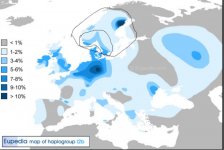
No matter how u put it the German langauge is Indo European it first migrated from Germany to southern Scandnavia about 4,000ybp people get confused and think of teh German langauge to represent Scandinavians when it does not at all it is just a language the Scandvien people are thousends of years older than the German language the proven marker of the German language is R1b U106 aka R1b S21
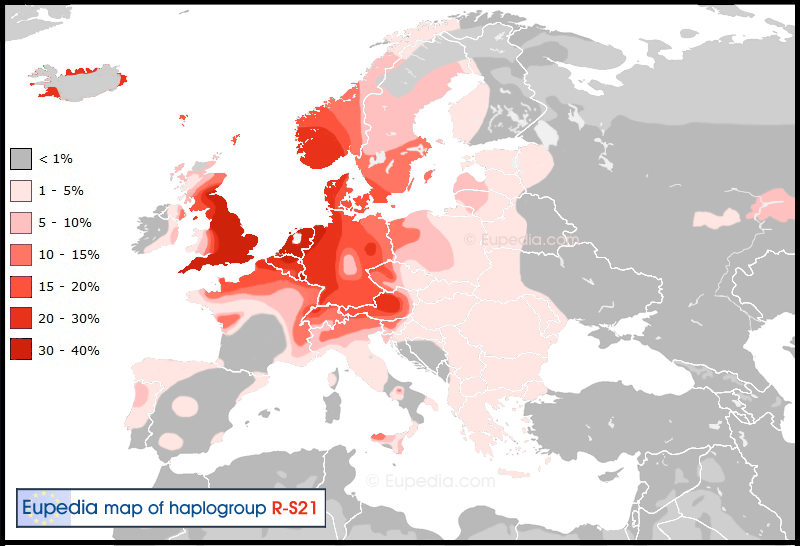 R1b S21 is only about 4,000-5,000 years old it migrated to Scandnavia with teh German langauge and teh Nordic bronze age culture about 4,000ybp
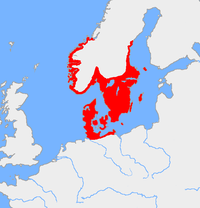
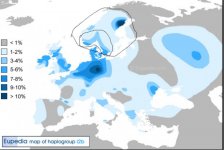
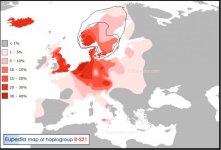
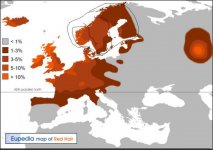
that is why it is centered ins outhern Scandnavia the R1b S21 proto German speakers where teh brother group to proto Italo Celtic speakers who conquered all of western europe between 4,000-3,000ybp their Y DNA is R1b S116 the brother group to Germanic R1b U106 another thing they have in common is high amounts of red hair who ever the proto Germanic Italo Celtic speakers where 6,000ybp they had at least 20% red hair and this is also the reason why red hair in Scandnavia only exsits in areas of r1b s21 and are highest in southern Scandnavia also Y DNA I2a2 is only in teh areas of Y DNA R1b S21, red hair and Germanic languages in Scandnavia

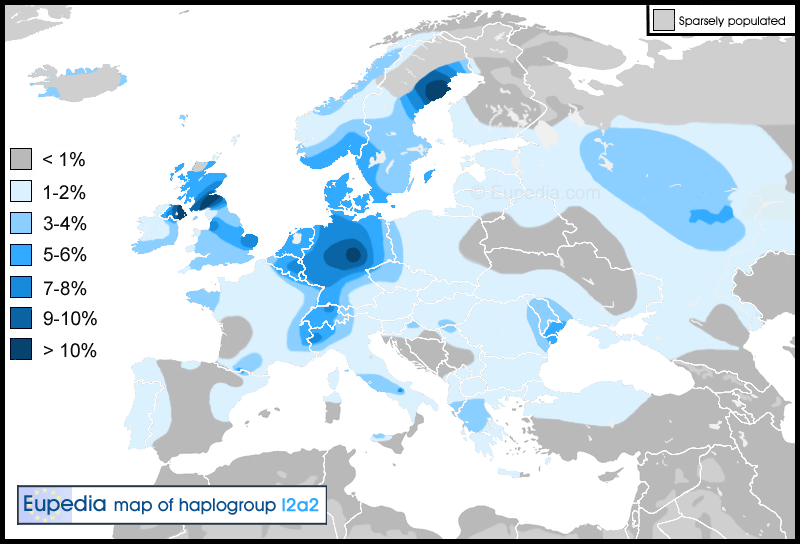
since it seems R1b s21, I2a2, and red hair all come from teh same migration into Scandinavia about 4,000ybp there is no doubt it was from early German speakers and since they had I2a2 that means for a fact they came from germany and that the German language did not begin in Scandnavia
But from what i have seen all experts say teh German langauge migrated down south from Scandnavia just 2,750-2,000ybp but then why do Germans in Scandnavia and Denmark speak a diffenrt form of German than ones in the rest of Europe if they split just 2,500ybp i guess they can explain that with linguistics but it seems we can not find any major Y DNA evidence of a recent migration down south into Germany people say I1 which takes up about 40% of Scandnaviens is evidence since it is second highest in Germany at about 10-20% i dont think that is evidence people because of subclades almost all Scandnaviens have subclade I1a2 i explained in this thread http://www.eupedia.com/forum/threads/28850-Most-I1-in-Europe-is-not-from-Germans-or-Nordics that I1a2 is defintley over 10,000 years old probably 12,000-15,000 years old and that most German I1 is almost never found in Scandinavia but if there was a recent migration from Scandnavia 2,500ybp you would see alot of I1a2 in Germany but u dont u see I1a1, I1a3, I1a4, and I1b which are almost never found in Scandinavia so I1 in Germany is not from Scandinavia it is from Paleolithic left overs and I1 is in every spot in Europe it is about 20,000-25,000 years old Scandinavian I1a2 split from contiental European I1a1, I1a3, I1a4 and I1b over 12,000ybp so really we find hardly any Scandinavian Y DNA in Germany but we do find Scandinavian I1a2 in places Vikings migrated to but if the German language conquered the modern day Germany just 2,5000ybp and they migrated from Scandinavia u would find Scandinavian I1a2 which u dont
Another huge piece of evidence Germans did not migrate from Scandnavia to GErmany 2,500ybp is a 3,000 year old Y DNA sample in central Germany had Germanic Y DNA R1b S21 they reported it as R1b but i put its haplotype into a haplotype subclade predictor and they said it was for sure R1b S21 also R1b S21 is more popular in Germany than in Scandinavia the people teh Germans conquered had German Y DNA R1b S21 they either spoke a Germanic language or a very reltaed langauge to German
my thoery is that west Germanic did not migrate from Scandinavia and the German langauge is 4,000 years old at least and originated in Germany and it never migrated from Scandnavia to Germany
that is why it is centered ins outhern Scandnavia the R1b S21 proto German speakers where teh brother group to proto Italo Celtic speakers who conquered all of western europe between 4,000-3,000ybp their Y DNA is R1b S116 the brother group to Germanic R1b U106 another thing they have in common is high amounts of red hair who ever the proto Germanic Italo Celtic speakers where 6,000ybp they had at least 20% red hair and this is also the reason why red hair in Scandnavia only exsits in areas of r1b s21 and are highest in southern Scandnavia also Y DNA I2a2 is only in teh areas of Y DNA R1b S21, red hair and Germanic languages in Scandnavia
since it seems R1b s21, I2a2, and red hair all come from teh same migration into Scandinavia about 4,000ybp there is no doubt it was from early German speakers and since they had I2a2 that means for a fact they came from germany and that the German language did not begin in Scandnavia
But from what i have seen all experts say teh German langauge migrated down south from Scandnavia just 2,750-2,000ybp but then why do Germans in Scandnavia and Denmark speak a diffenrt form of German than ones in the rest of Europe if they split just 2,500ybp i guess they can explain that with linguistics but it seems we can not find any major Y DNA evidence of a recent migration down south into Germany people say I1 which takes up about 40% of Scandnaviens is evidence since it is second highest in Germany at about 10-20% i dont think that is evidence people because of subclades almost all Scandnaviens have subclade I1a2 i explained in this thread http://www.eupedia.com/forum/threads/28850-Most-I1-in-Europe-is-not-from-Germans-or-Nordics that I1a2 is defintley over 10,000 years old probably 12,000-15,000 years old and that most German I1 is almost never found in Scandinavia but if there was a recent migration from Scandnavia 2,500ybp you would see alot of I1a2 in Germany but u dont u see I1a1, I1a3, I1a4, and I1b which are almost never found in Scandinavia so I1 in Germany is not from Scandinavia it is from Paleolithic left overs and I1 is in every spot in Europe it is about 20,000-25,000 years old Scandinavian I1a2 split from contiental European I1a1, I1a3, I1a4 and I1b over 12,000ybp so really we find hardly any Scandinavian Y DNA in Germany but we do find Scandinavian I1a2 in places Vikings migrated to but if the German language conquered the modern day Germany just 2,5000ybp and they migrated from Scandinavia u would find Scandinavian I1a2 which u dont
Another huge piece of evidence Germans did not migrate from Scandnavia to GErmany 2,500ybp is a 3,000 year old Y DNA sample in central Germany had Germanic Y DNA R1b S21 they reported it as R1b but i put its haplotype into a haplotype subclade predictor and they said it was for sure R1b S21 also R1b S21 is more popular in Germany than in Scandinavia the people teh Germans conquered had German Y DNA R1b S21 they either spoke a Germanic language or a very reltaed langauge to German
my thoery is that west Germanic did not migrate from Scandinavia and the German langauge is 4,000 years old at least and originated in Germany and it never migrated from Scandnavia to Germany