PaleoRevenge
Well-known member
- Messages
- 1,529
- Reaction score
- 1,344
- Points
- 113
Y section is small. The most obvious in your face cognates are yngeraš and ynkljuz.

| кальман/kalʹman, кайман/kajman | the person responsible for maintaining the fire in the sheepfold or woodcutter's hut | kall - to light, ignite. kallet - to catch/start fire |
закєласи/zakjelasy | misfire | kall - 1) to stick [ ] in/inside 2) to incite, provoke; induce 3) [Fig] to deceive, trick 4) [Reg] to light, ignite |
| КАЛАМАНЦІЯ/KALAMANCIJA, КАЛАМОЦІЯ/KALAMOCIJA | Misunderstanding, commotion, disorder, discord, disagreement. | kalamallëk - childish behavior kalama/kalaman - 1) young child: little kid 2) [Pej] person who behaves childishly, immature person |
| КАЛАМОТИТИ/KALAMOTYTY | to mess with someone's head - to fool, to bother someone; to mess with someone's head. | kalamendet - 1) to lose consciousness, faint 2) to get groggy, feel dazed kalamendës - dizzying, bewildering |
| калабарити/kalabaryty, kalabaryty | to talk nonsense, blether | kalambur - pun; play on words |
| калай/kalaj, каланник/kalannyk | 1) landless, poor 2) very poor man | kalander - 2) poor man, beggar |
| келавий/kelavyj | a man who moves very slowly | kalaveshas - with great difficulty |
| кєлавка/kjelavka | slow/sluggish woman | kalaveshas - with great difficulty |
| кємпа/kjempa | steep climb from the valley | këmbas - on foot |
| кємріти/kjemrity | to walk around in a group | këmbë/kâmbë/kâmb/kâm/këm - 1) leg 2) foot 3) footstep |
| клємбрувати/kljembruvaty | to clumsily sew holes in a shirt or other clothing | këmbë - foot, leg. An Albanian expression/insult for clumsy/messy job, is to say, "me këmbë e ke bër" - which roughly translates to "did you do this with your feet? |
| навкємитиси/navkjemytysy, навкимилоси/navkymylosy | 1) to get tired after a long wait 2) tired of waiting | në këmbë - standing |
| комоситиси/komosytysy | to prepare for rest, sleep, to settle down to sit or sleep | këmbë/kâmbë/kâmb/kâm/këm - 1) leg 2) foot 3) footstep këmbësutë - doe-footed, light-footed |
| кант/kant | all, both, so much | kaq - 1) this much/many, so much/many, so 2) only this much/many; only so much/many; so few/little |
| капів/kapiv, капова/kapova | hunting dog, hunting dogs | kap - 1) to take hold, grip, grab; catch, grasp, seize, clutch 2) to capture. kapës - 1) seizing 2) grasping 3) holding; prehensile |
| кіпси/kipsy | he got scared | kaps - with difficulty in defecation: constipated. |
| кіпнув/kipnuv | ran fast | kapërcen - 1) to get [ ] over/across a barrier, cross; overcome, surmount 2) to skip, skip over [ ] 3) to surpass kapëllon - overcome kaplon - to appear suddenly and spread all over, surge forth kaprroç - strong and spry |
| капуст/kapust | rutabaga, swedish turnip | këpus - to sever; break; break [ ] off, to pull it off |
| капуші/kapuši | sheep fleas | këpushë - 1) (Entom) tick 2) person who is a social parasite |
| капці/kapci, капчури/kapčury | 1) homemade cloth socks 2) sandals 3) knitted wool socks | këpucë - shoe këputë - sole of the foot |
| катавала/katavala | blacksmith, smith | kotoval - to create wavelike movement in [ ], cause ripples in |
| катафельк/katafelʹk, katafejka | deathbed, support on which the deceased is placed | fle/flen - sleep, rest. It is very likely a compound that means resting place. Either from some unattested word for bed/rest/lay, or straight up këtu-flen - here sleeps. këtu - here, over here. Example of similar compound: këtejlumas - (person) dwelling/situated in territory on this side of the river |
| катрафоя/katrafoja | common wild cherry (Prunus padus) | fojletë - celtis tree, nettle tree, hackberry. Thus katerfojletë = the fourth variety of these trees. |
| каучька/kaučʹka | crutch, walking stick, cane | kaçkët - made of walnut (wood) |
| кацакати/kacakaty | to call goats | kec - kid, goat less than a year old . kaciq - baby goat: kid. kacek - bag made of sheepskin/goatskin |
| кацюба/kacjuba | a tool used in a kiln, tools used in the oven | kacabu/kacabun/furrtare - cockroach, named in Albanian after furnace kacabunjtë - angry, furious |
| качіраби/kačiraby | clumsy legs | kërrabë - 1) shepherd's crook, crook 2) forked prop koçirënë - partially paralyzed |
| кічірати/kičiraty | to walk badly | koçirënë - partially paralyzed kaçel - lame |
| качулия/kačulyja | poppy flower | kacull - bagpod (Vesicaria utriculata Lam.) |
| кішня/kišnja, кішниця/kišnycja | 1) haymaking period 2) a field intended for mowing grass | kashtë - 1) straw 2) thatch kashtarë - heap of hay/straw |
| кимити/kymyty, кемувати/kemuvaty, кимливий/kymlyvyj | 1) to remember 2) remember 3) memorable | kam - to have |
| найсикємит/najsykjemyt | is mentioned, remembered | kam - to have |
| кімувати/kimuvaty | to guess | ke - you have kam - to have |
| кептар/keptar, кіптар/kiptar | short sleeveless leather coat | kep - 1) crag 2) (Geog) cape, promontory, point 5) edge. Compare to English "cape" used for sleevless garment |
| закипіти/zakypity | to fall into some abyss | kep - 1) crag 2) (Geog) cape, promontory, point 3) mattock 4) spalling mallet, spallpeen hammer 5) edge Slavic za - beyond, outside, behind, overmuch |
| кервала/kervala | morbidity | kërvallet - 1) to bray (the loud, harsh cry of a donkey or mule). 2) to screech 3) to sing with a raspy voice |
| квацитиси/kvacytysy, квацувати/kvacuvaty | 1) to make an unfriendly face 2) distort, to grimace | kërveshet/kërveshje - 1 to grimace, make faces 2 (of parts of the face) to become contorted |
| зквацитиси/zkvacytysy | to make a displeased face | kërveshet/kërveshje - 1 to grimace, make faces 2 (of parts of the face) to become contorted |
| кержя/keržja | crutch | karrazuem - paralytic |
| кечери/kečery | mountains with bare peaks/tops | kërce - 2) crust, adj brand new, crisp and clean |
| кичіра/kyčira | a low mountain covered with forest, small mountain covered with forest | kaçirubë - 1) tuft of feathers on the head: crest 2) rooster's comb 3) forelock; mane |
| кібзувати/kibzuvati | to spoil | kalbëzon - 1) to begin to rot/spoil 2) to become putrefied: putrefy kalbëzim - rotten part, rotten thing kalbës - rotting, putrescent |
| кішка/kiška, кішкий/kiškyj, кіжкий/kižkyj | 1) pregnant woman 2) heavy, difficult | kishk - 1) donkey colt 2) domestic buffalo calf. |
| клейго/klejho, клейгов/klejhov | 1) be careful!, attention! 2) carefully | quaj (kluoj in medevial Alb) - call, hear |
| клянчіти/kljančity | to humiliatingly ask, to pray humbly | qan - 1) to shed tears: cry, weep 4) [Fig Old] to complain, from older klanj, from Proto-Albanian *klaunja qarës - 1) mournful, plaintive 2) complaining |
| ЦЯТИ/CJATY | tears | qan/qaj - to cry, weep, shed tears |
| КЛЕЗНУТИ/KLEZNUTY | To strike, to hit, to strike (about fire, lightning) | qëllon - 1) to hit 2) to beat |
| кокоїжитиси/kokojižytysy | To be upset, to bristle, to pout | koke - head kokëndezur - hotheaded, rash |
| накокоїжено/nakokojiženo | rebelliously | koke - head kokëndezur - hotheaded, rash |
| колиба/kolyba | hut, temporary dwelling for woodcutters | kolib - 1) hut, shack, hovel 2) doghouse |
| колодьба/kolodʹba | pneumonia | kollë - 1) cough 2) coughed-up phlegm. kollitet - to come down with a cough; cough |
| корзан/korzan, корзани/korzany | 1) old bed 2) old shoes | korzë - bedbug |
| корнєти/kornjety, корньити/kornʹyty | to wake someone from sleep | karranit - to stretch [ ] out flat, stretch [a dead body] out on the ground |
| корняла/kornjala | fresh grass | kërnjallët - brisk |
| крак/krak, кранґ/krang | branch, twig, offshoot | krah - 1) arm 2) shoulder and back area (used for carrying) 3) left/right side (of something) 4) armload, armful 5) armrest 6) side, direction 7) wing 8) (Mil) flank 9) branch krënd - 1) dry thin branches and twigs used as tinder 2) fodder composed of tender thin twigs cut up with leaves krekëzon - to trim [tree branches] |
| кракати/krakaty | to pull hair, pulling the hair on the head or beard without compassion | krahit - 1) to prune [a tree] 2) to weed [a field] 3) to winnow [grain] krahitur - 1) pruned 2) weeded 3) winnowed |
| крепнути/krepnuty | not be able to stand it, to be unable to bear | krepon - to cry hard; cry out loud krepaton - 1) to cry [ ] for help 2) to alarm |
| криж/kryž | a piece of fabric or cloth | gërris/gris/kris - to tear, rip; tear [ ] up; rip [ ] off. grisur - in/with tattered clothes: raggedy |
| крипір/krypir | death | krip - 1) to salt 2) to sprinkle [ ] with a powdery or granular substance 3) to give salt to [livestock] kripur - 1) salty 2) pickled in brine krip kokën - to kill |
| крижєвка/kryžjevka, Kryživka, kryževka | head of cabbage | krye - head, lead kreçe - head of cabbage |
| крижі/kryži | lower back | kurriz - ridge, back, lower back |
| НАКРУЗІ/NAKRUZI | Back. Example: On Monday, because I went, I saw, to Fedorchuk, but he turned back, and I left. | kurriz - ridge, back, lower back. Me ktheu kurrizin. |
| кринта/krynta | mountain range on the Hryniavskyi Range, sheepfold in the Hrineava massif | krëndth - tree sprout, sapling krënd - 1) dry thin branches and twigs used as tinder 2) fodder composed of tender thin twigs cut up with leaves krëndet - to bud, sprout; go into leaf; become all leafy |
| кріцовий/kricovyj | sturdy | kriç/kërriç - donkey colt |
| куєви/kujevy | inaccessible cliffs | kojkë - barren hilltop. kojë - crust; skin |
| кукуцарі/kukucari, кукуценики/kukucenyky | children who go from house to house on Maundy Thursday, announcing that Easter is coming soon | kukuris - to giggle. kukurisje - giggling sound, giggle |
| кумбук/kumbuk | a tree that has had its top cut or damaged and is growing in width | kumbis - 1) to put [one's head/body] down to rest/sleep 2) to lean against [ ], rest on [ ] 3) to support këmbë - foot, leg kondur - tree stump |
| кундосити/kundosyty | to pull with jerk , sharp movements | kundalis - to cause back and forth motion: shake [ ], vibrate [ ], rock lëkundet - to move back and forth: shake, vibrate, quake; rock shkundur - shaken down/off |
| куш/kuš | demand to leave immediately, to withdraw, corresponding in meaning to the word: away! Out, away, outside; entirely; far away | ikesh - leave, to leave |
| ландрувати/landruvaty, лундати/lundaty | 1) to travel, to roam 2) to go somewhere without a specific destination | lundron - 1) to travel by boat or ship 2) to float 3) to be insecure lundrim - 2) travel by boat or ship 3) voyage |
| залундиґав/zalundygav | went somewhere | lundron - 1) to travel by boat or ship 2) to float 3) to be insecure lundrim - 2) travel by boat or ship 3) voyage |
| лантєчко/lantječko | old clothes | leckë - raggedy old clothes |
| лєцтий/ljectyj, лєчіденне/lječidenne | 1) disgusting, ugly, bad, poor, which does not have good qualities, properties; not as it should be; which causes a negative assessment 2) very ugly | leckët - 1) raggedy 2) overburdened |
| лапатачє/lapatačje | wood scraps | lapandar - tattered, raggedy |
| левір/levir | direction or location | lëviz - to move, set in motion, transfer. From lë + vizë, 'to leave a track' |
| лєрва/ljerva | easy(whorish) woman, doxy woman | lëvrin - 1) to wriggle; wiggle 2) [Fig] to be in constant motion 3) to roll in mire levarash - 1) very energetic, constantly moving 2) unstable, changeable, shifting 3) [Fig] having loose morals levend - frisky, spry |
| ливати/lyvaty | 1) to run after someone 2) to go from house to house aimlessly | livron - to deliver, to move |
| легінцький/lehincʹkyj | girlish, boylike, boyish, youthful | lehtë - 1) light 2) soft; gentle 3) easy 4) agile 5) dilute 6) slight 7) [Fig] simple-minded; frivolous |
| лельків/lelʹkiv | parents | lalë - 4) [Colloq] young father: daddy 5) elder brother; (paternal) uncle 6) term expressing respect and intimacy for someone. *Note the formal term for parents in Albanian is a Latin word. |
| лєльо/ljelʹo | uncle | lalë - father, older brother, brother in law, uncle |
| лемак/lemak | stupid, inept, dull, muddle-headed | lëmak/lumak - 1) sprout, leafbud 2 ) tender branch, sprig 3) [Fig] tall and thin person. *Hutsul word for mature tree branch is lym, lemak is likely referring to thick branch/hardwood, which is also used for blockhead, dull, dumb, and the equivalent of Albanian dru. |
| лим/lym | tree branches | lëmak/lumak - 1) sprout, leafbud 2 ) tender branch, sprig 3) [Fig] tall and thin person |
| ломаґа/lomaga, ломаджє/lomadžje | 1) large branch 2) branches that create overgrowth in the forest | lumak - 1) sprout, leafbud 2 ) tender branch, sprig 3) [Fig] tall and thin person madh - 1) big; large; tall 2) great; grand 3) long (in time) 4) adult, mature, grown-up; elder. Overgrown branches can only be large, hence maga and madzje(plural) are related to Albanian madh and madhe. |
| лім/lim | folded branches in the forest | limer - 1) lair 2) [Old] hideout for outlaws |
| лендерево/lenderevo, лєрдерево/ljerderevo | larch or larch tree | lëndë - 2) timber, lumber 3) acorn. lëndëtar - 1) sawmill worker 2) [Old] wood merchant lëndishtë - timber forest |
| линдиджіти/lyndydžity | to be precise | lëndor - concrete; substantive; material; substantial |
| линдза/lyndza | reprimander, one who reproaches, reproachful person | lëndohet - 1) to get wounded/hurt 2) [Fig] to feel hurt lëndon - to wound [ ] by striking; bruise; hurt. lëndues - wounding; hurtful |
| клундати/klundaty | to walk awkwardly, slowly | lënduar - wounded. lëndimthi - slowly and carefully: painstakingly |
| лундигати/lundyhaty, ЛУНДИҐАТИ/LUNDYGATY | to walk slowly, to limp with legs – to walk very slowly, to move (from fatigue, illness, old age). Not maintaining evenness in walking | lënduar - wounded. lëndimthi - slowly and carefully: painstakingly |
| лєковишшє/ljekovyššje | freak, monster, monstrosity | lëkurëfishkur/lëkurëvyshkur - having wrinkled skin |
| ліновисько/linovysʹko, ліновишшє/linovyššje | dry viper skin | lënuret - to have parts of one's outer surface torn (off): suffer laceration lën vyshkur - left withered, shriveled up; faded; wrinkled, weakened; pale |
| лемсати/lemsaty | to go very fast | lë - to leave. |
| лишитиси/lyšytysy | to become a widow | lëshohet - 2) to get free/loose; separate (from one's spouse) lëshim - 3) [Old] divorce |
| лунавий/lunavyj | to have poor eyesight; not to notice | lënësi - 1) insanity 2) weakness (from illness or old age) |
| лунути/lunuty | to gush, to spout, to rush | lë/lën - 1) to leave 6) to let go: release linkthi - briskly, quickly; at a trot. Lingthi - 1) at a fast pace 2) in a rush/hurry, quickly. ling - quickly, in a hurry/rush; at a fast pace lëshe - burst of energy: rush |
| лунчина/lunčyna | something from last year: hay, lard, cheese | lëna - 1) leavings; leftovers, food scraps, garbage 2) debris left by ebbing water |
| глиней/hlynej | old man | lënësi - 2) weakness (from illness or old age) |
| либавка/lybavka | lean soup | libë - platter, plate |
| лихе/lyxe | epilepsy | lehtë - epilepsy |
| ліжник/ližnyk | home-woven wool blanket with pattern | lesh - 1) wool; hair (of an animal); (human) body hair 2) fleece 3) fuzz on plants or fruit; fuzz on insects or caterpillars 4) wooly fiber used as packing material or insulation leshnik - wool or goathair cloak with false sleeves |
| лізник/liznyk | willow | lesh - 1) wool; hair (of an animal); (human) body hair 2) fleece 3) fuzz on plants or fruit; fuzz on insects or caterpillars 4) wooly fiber used as packing material or insulation |
| пелешє/pelešje | long hair, with long hair | lesh - hair, wool. |
| опелюскатиси/opeljuskatysy | to attach, to cling, hold on | plesht - flea (attaches/clings to your hair) përleshë - tangle përleshet - to engage in heavy struggle: struggle, fight hard |
| упелюскатиси/upeljuskatysy | to get attached | plesht - flea (attaches/clings to your hair) përleshë - tangle |
| лоґойдина/logojdyna | spoiled meat | langaros - to soil [ ] by spattering. langarosur - soiled; spotted |
| лодирь/lodyrʹ | stationery eraser | lodër - toy, plaything |
| лой/loj, лойка/lojka, лойкуш/lojkuš, лойкушка/lojkuška | 1) vipers(male) 2 ) vipers(female) 3) male viper 4) female viper | lojkë - tadpole (amphibians in their larval stage, look similar to snakes) |
| лопирда/lopyrda | weak horse | lodhur - 1) tired, fatigued, weary 2) bored, fed up |
| лопітливий/lopitlyvyj | a person who has bad pronunciation but talks a lot | llaptojkë - gossip, chatterbox llapat - chatterbox, talkative |
| лопотіти/lopotity | to talk nonsense | llaptojkë - gossip, chatterbox lap - to prattle on, chatter; talk irresponsibly: tattle, blab. llapan - very talkative person. llaptim - chatter. All derivatives of llapë - tongue(the organ). |
| ляпати/ljapaty | to gossip, to talk badly | llap - to prattle on, chatter; talk irresponsibly: tattle, blab. llapan - very talkative person. llapat - chatterbox, talkative |
| лоцувати/locuvaty | to eat in a hurry | lyç - in a muddle/mess |
| лупак/lupak | chip, cod(refering to fish scales) | luspë/luspak - 1) covering layer of cold-blooded animals: scale (of fish), scaly skin (of reptiles or amphibians), exoskeleton (of insects) 2) removable covering layer of a fruit or vegetable luspartë - golden-scaled |
| лупеї/lupeji, лупіхан/lupixan | 1) a mischievous person, who is poorly or raggedly dressed. playful or mischievous. unprofitable person 2) A hangman is a person who hangs on a gallows , or someone who deserves to be hanged, a scoundrel. a mischievous person, a troublemaker, a troublemaker. urchin | lëpirës - 1) bootlicker, lickspittle lypës - beggar, bum |
| льорбавка/lʹorbavka | wooden vessel for a guslyanka, wooden bowl for husleanka (boiled milk cream) | llurbë - 1) slush; thick sludge 2) sediment at the bottom of a container, sludge 3) mash fed to animals 4) mushy, overcooked food |
| льорик/lʹoryk | insecure man, indecisive, unreliable | lyrikur - 1) lacking all dignity, shameless, base, disgusting 2) unappealing, dull, lacking flavor 3) That which has lost its luster, that which has lost its salt or sweetness; washed (for people). |
| люзона/ljuzona | mermaid, water nymph, siren | lozonjar - 1) playful (child) 2) kittenish (girl) 3) [Fig Pej] coquettish (woman) lotzonjë - (Bot) lily-of-the-valley (Convallaria majalis) zonjë - ladylike, respectable |
Interesting, but would it not be a Dacian word rater than a Thracian one?Section L has the most density per pages, and boy does it deliver. Many of these cognates are quite decisive and tear any Illyrian argument to pieces. None-Albanian speakers might not understand how deep these pierce, even the definitions are often a 100% match. Albanian lundron was speculated to maybe be related to Latin word for boat. The Hutsul definition supports a native vocabulary, it meant to travel and was later corrupted to mean boat travel.
There is a perfect cognate to Albanian lëndor, from which the modern terminology lëndë is derived from, in education it is used to mean subject/courses (example mathmatics, economics, history, etc...).
In the Ukranian dictionary, the defition LUNDYGATY confirms my explanation months ago, the Ukranian team defined as to walk with a limp, a perfect match to Albanian lënduar.
There is I think seven words that are based on the root word lë(leave) that range from divorce/widow to leftovers. Absolute destruction.
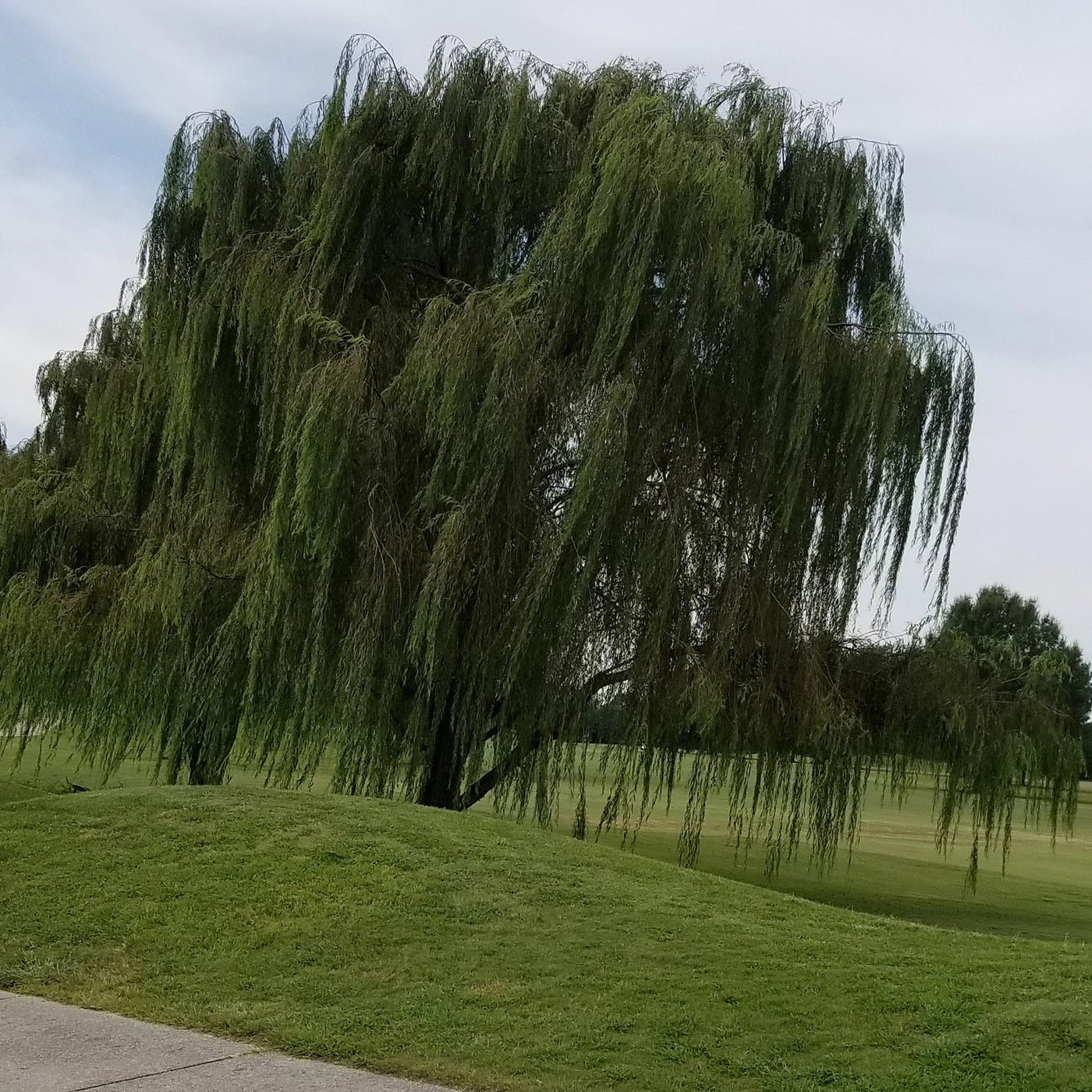
I believe the second definition of liznyk is referring to the willow tree, which is quite woolly(lesh) looking:
And I have to mention ljuzona, there was was a euphoria some month ago that zoje is some alleged Illyrian goddess figure. It turns out it, the zoje is just plain mutiliation of a perfect Thracian word, zonje.
| магнєтий/mahnjetyj | aggrieved, to distress, sadden, afflict | mahitar - mocker; jester mahit - 1) to make fun of [ ] 2) to cause to fester, inflame |
| магулити/mahulyty | to instigate | mahi - 1) principal rafter of a roof 2) joking, teasing; mockery; trick, joke 3) (of a wound) festering, inflammation, infection mahiset - 1) to fester, become inflamed 2) [Fig] to get worse: become exacerbated mahit - 1) to make fun of [ ] 2) to cause to fester, inflame |
| Маґура/Magura | mountain in the Măgura Verkhovyna | magulë - heap |
| миґла/mygla | pile, heap | magulë - heap |
| миґлаші/myglaši, мииґли/myygly | 1) people who gather wood in piles 2) piles of sawn wooden logs | magulë - heap |
| май/maj | even more | më - more; some more, any more. From Proto-Albanian *məi̯es |
| май-май/maj-maj | many, much, very much, greatly | më - more; some more, any more. From Proto-Albanian *məi̯es |
| майжета/majžeta, майчєта/majčjeta | embroidered sleeve decoration on a shirt | majë - 1) tip; point 2) top; peak 3) (Text) warp yarn/thread |
| МАЙОРИТИ/MAJORYTY | pasture. To go to the mountain pasture in the evening to milk the cows, and in the morning to return to the village. | majë - 1) tip; point 2) top; peak |
| маймурка/majmurka | Jewish hat | maj murr/maj murrmë - dark/black top, likely referring to the black hats. majmur - 1) being fat/beefy, corpulence 2) [Fig Colloq] being filthy rich: affluence |
| МАЛЯВА/MALJAVA | A rounded mountain that resembles a hill. | mal - 1) mountain 2) [Colloq] mountainous region 3) [Old] small mountain district comprising a distinct ethnic unit 4) [Old] = pyll 5) [Fig Colloq] huge stack/pile/heap |
| манджяти/mandžjaty | to walk with rapid steps | mundohet - to go to great pains; try hard, strive |
| мендувати/menduvaty | to carry , to bring, to bring up to. to report, to convey | mund - 1) effort 2) to beat, overcome, defeat; resist, stand up to mundim - effort, pains, trouble, difficulty mendim - opinion, judgment |
| минда/mynda, миндувати/mynduvaty | 1) a person who can report wrongdoing to a government agency 2) report | mendim - opinion, judgment mundësi - 3) [Old] authority, right |
| мантитиси/mantytysy, мантитси/mantytsy | 1) to dream 2) to have visions, to have hallucinations | mend - mind. mendar - thinking, deep in thought |
| вимантити/vymantyty | to fool someone, to get something by trick or treat, by depection | vëmendje - mental focus/concentration, attention; special care, consideration |
| відтемедити/vidtemedyty | to bring back to one's senses, to come to one's senses | vëmendje - mental focus/concentration, attention; special care, consideration. vinte mendja? |
| МАНТАР/MANTAR | Deceiver, swindler | mend - brains, mind, intellect mendar - smart, intelligent mendjekeq - evil-minded |
| охлемендіти/oxlemendity | to get drunk | le mëndjen - leave your mind, out of it |
| перлямента/perljamenta | unnecessary fabrications, useless fabircations | maybe a construction of: pall + mendje - story/tale/fable from the mind (made up) pallmadhi - story, tale, fable shpall - to announce, to declare |
| маштеритиси/mašterytysy | to try, to attempt, to endeavour | mashtron - to deceive; cheat, defraud, swindle |
| maszteriatysy | beware, watch out for something | mashtron - to deceive; cheat, defraud, swindle |
| МЕШТЕРНИЦЯ/MEŠTERNYCJA | Bastard | mashtrues - deceiver; swindler, cheat |
| мелай/melaj, мелайньиник/melajnʹynyk | 1) corn 2) cornbread | miell - 1) flour 2) finely ground product or by-product: powder, dust |
| мериндьи/meryndʹy | udder of a sheep, goat | mënd - to suckle; breast-feed, nurse. mëndinë - suckling animal mëndarak - 1) lamb or kid that nurses at the breast of a mother other than its own 2) baby raised by a wet nurse |
| миндзорити/mindzority | to suckle actively | mënd - to suckle; breast-feed, nurse. |
| митусь/mytusʹ | alongside, in different directions | midis - between, among |
| МИРНО/MYRNO | lexical component of the Hutsul etiquette greeting formula; all is well, calmly, happily. Example: Kazio entered the tavern. – How was your stay? – he shouted. – All is well! How are you, sir? – polite questions poured in from all sides. | mirë - 1) well 2) pleasantly 3) very much 4) [Iron] oh fine! |
| МИРУВАТИСЯ/MYRUVATYSJA | Greet each other when meeting, answering the traditional question “How are you?” | A hybrid word of Albanian mirë(good) and Slavic vitatysya(greeting) or entirely Albanoid mirëvajtje - smooth running, successful performance/progress . |
| емес/emes, емесно/emesno | 1) good 2) very good | mirë - good. shumë mirë - very good |
| емесний/emesnyj | a very good man | i miri - the best |
| міціцько/micicʹko | a little | nje çikë - a little, little bit |
| МІШЄННИК/MIŠJENNYK, МІШАННИК/MIŠANNYK | farmer who grazes sheep in the mountains, in the sheepfold | mashën - 1) place in the mountains in which sheep or goats are kept: mountain sheepfold, mountain corral for goats 2) shed for keeping winter fodder, hayshed 3) herder's hut in winter pasture. mashnor - animal herder who accompanies the herd or flock to summer pasture in the mountains |
| мішіні/mišini, МІШІНЄ/MIŠINJE | a flock of sheep collected from different owners | mashën - 1) place in the mountains in which sheep or goats are kept: mountain sheepfold, mountain corral for goats 2) shed for keeping winter fodder, hayshed 3) herder's hut in winter pasture. mashnor - animal herder who accompanies the herd or flock to summer pasture in the mountains |
| моци/mocy | people who live far away in the mountains | moçkë - rough barren ground |
| мошка/moška | filth, disgusting, loathsome | meshkë - [Old] b!tch; whore |
| мошя/mošja | midwife | moshëm/moshar - 1) of age, adult, mature 2) aged |
| мушія/mušija | estate, land | musha - 1) [Old] land allowed to lie fallow for a specific time and to be used as commonland pasture 2) pastureland shared by a village |
| мрий/mryj | shiver | mbërdhi/mërdhin - to feel ice cold, suffer from the icy cold |
| мулец/mulec | cancer | moleps - to contaminate, pollute, infect |
| швидко/murgula | man with a gloomy face | murgullon - to get dark |
| муст/must | manure | mut - human excrement: shit, dirty |
Man good job, keep them coming. You should seriously be on Twitter showing this to a wider audience. I would gladly give you a monthly donation if you were to open a Twitter and be active there.Another section full of gems. Several words with the root word maj, the Hutsuls even refer going on top of mountains as majority, similar to Albanian expressions, ne maj te malit. Another gem is the mutation of Jewish yarmulke, to an Albanian slang word majmurka(black top).
How about a perfect cognate to Albanian mal? So sorry to the malsorries. Just as amazing, a cognate to Albanian mashtrues which Orel took a blind guess linking to Latin "maestro", the Hutsul match blows the assumption out of the water.
mënd, mashën, mirë, there is even mut.
Contradictions:
Albanien mend(mind) is considered to be Latin dervied. The Hutsul words with the root word mend, mant, and ment are clearly referring to mind or actions involving the mind as they all translate to trick/fool someone, come back to one senses, dreams, get drunk(a weakened concious), fabrications, and possibly reporting to authorities. The common root word must be referring to the mind. If this is Romanian borrowing why don;t the Hutusls know it's meaning? If they are mere borrowing of Romanian expressions, are there Romanian equivalents that match them? Or another option, did the free Dacians really borrow and repaced their own term from the Romans? Highly inprobabe. Words in these categories reopen some questions what did Albanian really borrow from Latin.
Maj(more) is considered a borrowing from Romanian mai, which is thought to be Latin derived(magis), or maybe it's the other way around, a native Dacian term borrowed by Romanian. Worth considering.
melaj is considered to be a borrowing from Romanian and the Romanian version in term is considered to be possibly non-Latin, that would make melaj native to the Carpathians and the Romanian the borrowers. Again to repeat myself, this was never considered, linguists did not even bother to look for the evidence. Similar arguments can be made for Romanian mic, the other opssibility is the Hutsuls borrowed it from Romanian and made the word longer, which is not how it normally goes.
So how is everyone doing? myrno? mir mir?
| на виґлю/na vyglju, на віглі/na vihli, на видлю/na vydlju, НАВІДЛЮ/NAVIDLJU, НА ВИДЛЮ/NA VYDLJU | from myself, in one's own name, personally | nga vetja - from myself, in one's own name, personally |
| на чьисок/na čʹysok | quickly | qyshtash - right now, immediately |
| набилєти/nabyljety | to play a musical instrument poorly | bie - 10) to cause <>to vibrate; play |
| НАБИТІСЬКИЙ/NABYTISʹKYJ, НАБИТІСЬКО/NABYTISʹKO | Filled to the brim, full | mbytur - deeply, completely: up to the neck |
| надриг/nadryh, НАДРЕГНУТИ/NADREHNUTY | 1) froze, it froze 2) To freeze very much, to freeze to death | ngrij - to freeze. ngriu - froze |
| намлі ока/namli oka, нампіока/nampioka | 1)in the blink of an eye, in a moment, at the moment 2) at this moment | namëta - here you are! just then, right then: all of a sudden; at that moment, meanwhile oka - eye in Slavic. |
| напаратно/naparatno | crazy, fast | para - 1) ahead; forward 2) forward: in front përpara - 1) ahead; forward 2) earlier, before |
| НАПЕРТИСЯ/NAPERTYSJA | To try, to try. Example: "He threw the kurmey around his neck and tried to get up, but his legs wouldn't let him" | përtesë - laziness; sluggishness |
| насколи/naskoly | if, whether | nëse - if, whether |
| насторц/nastorc | in a hurry | nistar - initiatory, starting nisje - start, beginning; departure, outset |
| натутуритиси/natuturytysy | to get angry | tutarak - 1) sudden fear: scare 2) ire; burst of temper |
| нацапки/nacapky | on their backs/side, on the hind legs (in animals), on tiptoe (about people) | cep - 1) corner; angle 2) extreme end: edge, tip 3) out-of-the-way corner, unfrequented place 4) [Fig] border area 5) (Geom) external angle 6) (Geog) cape (of land) |
| недея/nedeja | mountains where forest spirits live | dejë - 1) area where snow has thawed 2) shallows in a river or stream |
| ненька/nenʹka, неня/nenja | mother | nënë - mother, grandmother. |
| нетля/netlja | night butterfly | natë - night |
| нешишник/nešyšnyk | poverty, poor, unfortunate people | shushull - 1) wood debris left by rushing mountain water 2) debris, trash, sweepings 3) [Fig Pej] dirty trash, dregs of society |
| заднєтиси/zadnjetysy, заднилоси/zadnylosy | to become cloudy | njollë - spot, smear, stain |
| ні аскри, ні шпента, ні пікочькє/ni askry, ni špenta, ni pikočʹkje | there is nothing, not at all | askurrgjë - nothing at all, nothing in the slightest askurrfare - no kind of, none of them, not even a little bit pikë - 1) drop (of liquid) 2) small amount: a little bit. askurrgjë, as një pik - nothing, not even a drop |
| піка/pika | short pointed board for the exterior cladding of a house | pikë - point, spot, dot, drop/froplet, a small amount, a little bit |
| дошпенту/došpentu | completely, entirely | shperr - to drain, wear out (energy) shperret - 1) to lose it all 2) [Fig] to become exhausted |
I know, I was donating to him monthly. It was such a bummer that he closed it down. The general public needs to know about this stuff, it should not only be available in niche forums only for a select few.Albhistory was a twitter account that posted interesting stuff there but I would assume it is annoying for paleorevenge to deal with all the stupidity that goes in there tbf.
| обаблений/obablenyj | terrible, horrible | obobo - expresses great sorrow, suffering, or surprise: oh no! |
| обушити/obušyty | to injure dangerously, to beat a person dangerously | bushtron - to exasperate, rage |
| обфицькати/obfycʹkaty | to care superficially for the land, for the household, carelessly doing some work in the garden | fyçkë - having an empty kernel, with content of no value: hollow, empty |
| ого/oho | exclamation of disappointment | ohu - 1) expresses sarcastic indifference and lack of respect: who cares! 2) expresses reluctance to go further into a matter: well Hell! 3) expresses a feeling of being overwhelmed by the magnitude of what follows: oh boy! (said with a sigh) 4) emphasizes that some event is far in the past |
| ойга!/ojha! | exclamation of surprise | oho - 1) expresses newly discovered admiration or pleasure: aha! 2) teasingly expresses pretended admiration: oho! |
| омпувати/ompuvaty | to be dissatisfied | mposht - 1) to bring [ ] down: defeat, vanquish; top 2) to put down [: subdue, quash 3) to keep [ ] down: suppress mposhtet - 1) to yield, give up 2) to weaken, get very weak 3) to feel defeated, despair |
| зомпитисьи/zompytysʹy | to feel offended | mposhtet - 1) to yield, give up 2) to weaken, get very weak 3) to feel defeated, despair |
| НАЙПУСТІШИЙ/ NAJPUSTIŠYJ, НАЙПУЩИЙ/NAJPUŠČYJ, НАЙПУЩИЙ/NAJPUŠČYJ, НАЙПУСТІШИЙ/NAJPUSTIŠYJ | bad, worst. | poshtë - 1) low 2) below; lower; less; worse 3) down; downward poshtëm - lower, inferior poshtër - 1) vile; base, low, indecent 2) [Reg] lower, inferior |
| опалистий/opalystyj | person with uncontrollable emotions, hot-tempered | pall/pëllis/pëllas/pëllet - 1) to moo; bray, bellow 2) [Fig Vulg Teas Pej] to bellow (in an offensively loud voice) |
| опека/opeka | something too majestic, something too grand | pekul - 1) [Old] property leased for high rent or for a large share of the profits 2) personal property accumulated over time; personal property to which an individual (not other family members) has exclusive rights pekuli - 1) [Colloq] small present given to a child: treat 2) [Fig] pampering, indulgence pekulore - treasury |
| опелінок/opelinok | small child | pelenë - diaper; swaddling cloth; baby blanket. peleqis - to reduce [ ] to small pieces: mince pelë - mare |
| опришкувати/opryškuvaty | to live freely | prushit - to stir up [a fire] prushtë - burning; burning red, glowing; sparkling; fiery |
| опришок/opryšok, opreşok | national hero who does not submit to power, but lives according to customary law | prushit - to stir up [a fire] prushtë - burning; burning red, glowing; sparkling; fiery |
| опрук/opruk | witcher, sorcerer | prek - 1) to touch 2) [Fig] to touch on [ ] 3) to affect 4) to infect |
| оснаґія/osnagija, оснедія/osnedija | 1) deformed person, hideous, an ugly person 2) ghost, monster | snaq - despicable |
| офукливий/ofuklyvyj | hostile | fikë - destruction, eradication; terrible misfortune fik - [Fig] to cause [ ] great harm, demolish, hurt [ ] badly |
| ошкреміткє/oškremitkje | remnants of clothing material, clothing scraps | shakmisur - torn up, shredded |
| затетеріти/zateterity | to stiffen, to freeze, curdle | trajtë - 1) form, shape, figure; appearance 2) (Ling) form; morph trajtësohet - to take on a particular form, take shape |
| оштрямкє/oštrjamkje | length of threads, pieces of thread, the remains of something eaten by a mouse | shtrajtim - 1) to transform, deform 2) transformation, deformation |
| патригая/patryhaja | old hollow spruce | patrajtë - amorphous - without a clearly defined shape or form. |
| ошшюнутиси/oššjunutysy | Restraint oneself in some part. In eating, or in conversation. | shun - to be silent/quiet, say nothing |
| обаблений/obablenyj | terrible, horrible | obobo - expresses great sorrow, suffering, or surprise: oh no! |
| обушити/obušyty | to injure dangerously, to beat a person dangerously | bushtron - to exasperate, rage |
| обфицькати/obfycʹkaty | to care superficially for the land, for the household, carelessly doing some work in the garden | fyçkë - having an empty kernel, with content of no value: hollow, empty |
| ого/oho | exclamation of disappointment | ohu - 1) expresses sarcastic indifference and lack of respect: who cares! 2) expresses reluctance to go further into a matter: well Hell! 3) expresses a feeling of being overwhelmed by the magnitude of what follows: oh boy! (said with a sigh) 4) emphasizes that some event is far in the past |
| ойга!/ojha! | exclamation of surprise | oho - 1) expresses newly discovered admiration or pleasure: aha! 2) teasingly expresses pretended admiration: oho! |
| омпувати/ompuvaty | to be dissatisfied | mposht - 1) to bring [ ] down: defeat, vanquish; top 2) to put down [: subdue, quash 3) to keep [ ] down: suppress mposhtet - 1) to yield, give up 2) to weaken, get very weak 3) to feel defeated, despair |
| зомпитисьи/zompytysʹy | to feel offended | mposhtet - 1) to yield, give up 2) to weaken, get very weak 3) to feel defeated, despair |
| НАЙПУСТІШИЙ/ NAJPUSTIŠYJ, НАЙПУЩИЙ/NAJPUŠČYJ, НАЙПУЩИЙ/NAJPUŠČYJ, НАЙПУСТІШИЙ/NAJPUSTIŠYJ | bad, worst. | poshtë - 1) low 2) below; lower; less; worse 3) down; downward poshtëm - lower, inferior poshtër - 1) vile; base, low, indecent 2) [Reg] lower, inferior |
| опалистий/opalystyj | person with uncontrollable emotions, hot-tempered | pall/pëllis/pëllas/pëllet - 1) to moo; bray, bellow 2) [Fig Vulg Teas Pej] to bellow (in an offensively loud voice) |
| опека/opeka | something too majestic, something too grand | pekul - 1) [Old] property leased for high rent or for a large share of the profits 2) personal property accumulated over time; personal property to which an individual (not other family members) has exclusive rights pekuli - 1) [Colloq] small present given to a child: treat 2) [Fig] pampering, indulgence pekulore - treasury |
| опелінок/opelinok | small child | pelenë - diaper; swaddling cloth; baby blanket. peleqis - to reduce [ ] to small pieces: mince pelë - mare |
| опришкувати/opryškuvaty | to live freely | prushit - to stir up [a fire] prushtë - burning; burning red, glowing; sparkling; fiery |
| опришок/opryšok, opreşok | national hero who does not submit to power, but lives according to customary law | prushit - to stir up [a fire] prushtë - burning; burning red, glowing; sparkling; fiery |
| опрук/opruk | witcher, sorcerer | prek - 1) to touch 2) [Fig] to touch on [ ] 3) to affect 4) to infect |
| оснаґія/osnagija, оснедія/osnedija | 1) deformed person, hideous, an ugly person 2) ghost, monster | snaq - despicable |
| офукливий/ofuklyvyj | hostile | fikë - destruction, eradication; terrible misfortune fik - [Fig] to cause [ ] great harm, demolish, hurt [ ] badly |
| ошкреміткє/oškremitkje | remnants of clothing material, clothing scraps | shakmisur - torn up, shredded |
| затетеріти/zateterity | to stiffen, to freeze, curdle | trajtë - 1) form, shape, figure; appearance 2) (Ling) form; morph trajtësohet - to take on a particular form, take shape |
| оштрямкє/oštrjamkje | length of threads, pieces of thread, the remains of something eaten by a mouse | shtrajtim - 1) to transform, deform 2) transformation, deformation |
| патригая/patryhaja | old hollow spruce | patrajtë - amorphous - without a clearly defined shape or form. |
| ошшюнутиси/oššjunutysy | Restraint oneself in some part. In eating, or in conversation. | shun - to be silent/quiet, say nothing |
 Genetic continuity across the Balkans and Carpathians is real
 On the paternal side: a Caucasus–Balkan vector
 Compressed time, not clean ethnolinguistic breaks
 Reframing the hypothesis
Looks like you used chatgpt, it's interesting nonetheless. Do you think albanian has a significant amount of Scythian/Cimmerian influence? I've been wondering the same thing for a while now.Jumping in here because I think the discussion is stuck in the wrong frame: whether Hutsuls “borrowed” words from Albanians or vice versa. That’s not the real question — and frankly, it’s limiting the scope of what could be a serious interdisciplinary investigation.
What if the lexical similarities between Hutsul and Albanian don’t reflect borrowing at all, but instead point to a shared Iron Age substrate — one shaped by steppe-descended elites like the Cimmerians, Scythians, and Sarmatians?
Here’s what we actually can say based on DNA, archaeology, and compressed historical models:
I have autosomal matches (segment-level) to ancient individuals covering a full lineage arc, in order:
- PG2004 (Eneolithic Steppe, ~4200 BCE) – base R1b-V1636 lineage
- I7848 (Yamnaya, Moldova, ~2800 BCE) – foundational steppe aristocracy
- ZIM001 (Middle Bronze Age Russia, ~1700 BCE) – Srubnaya/Poltavka mix
- UKR014 (Scythian, Mamay-Gora, 350 BCE)
- CGG021476 (Crimean Scythian woman, 325 BCE, mtDNA U7b)
- tem003 (Sarmatian-Hun, Bashkortostan, ~220 AD)
- PTL003, PTL002 (Hun-period elite, Carpathian Basin, 450 AD)
- RKC014, RKC032, RKC043 (Avar elite women and warriors, ~650 AD)
- KBS21, KBS18 (Carolingian border elite, 850 AD)
- SE-23 (Hungarian Conqueror elite, 950 AD)
- HUAS81 (Aba dynasty, 1000–1300 AD)
- Báthory PER08 (late medieval Transylvanian elite)
These aren’t just shared percentages — they’re specific IBD segments across Chromosomes 1–22, some exceeding 20+ cM.
My Y-DNA is J2b2a1a1a (CTS5368) — concentrated in Albania, Montenegro, and the Caucasus. This ties directly to:
- Ancient Caucasian Albanian and Balkan highland lineages
- The same zones that later produced Illyrian, Byzantine, and Avar-integrated elites
- Likely patriarchal descent from tribal confederacies that never broke across the Slavicization period
So this isn’t about “Albanians influencing Hutsuls” or vice versa — it’s about two linguistic outcomes of the same cultural and genetic substrate, filtered differently through Slavic and Balkan phonology.
We need to stop pretending there’s a clean split between:
The DNA doesn’t support this. Neither does the archaeology. These were overlapping, evolving populations with continued dominance across regions now divided by modern languages.
- Scythians (~700 BCE)
- Sarmatians (200 BCE–300 CE)
- Early Slavs (500–800 CE)
- Albanians (1100 CE+)
The more productive model is:
Albanian and Carpathian dialects preserve parallel fragments of a shared Daco-Thracian–Scytho-Sarmatian substrate — shaped by steppe migrations, preserved by mountain and frontier populations, and resurfacing as lexical overlap.
This includes both linguistic features (honor, speech, social roles) and genetic continuity through maternal and paternal lines. It’s not borrowing — it’s co-inheritance from the same Iron Age layer.
Happy to share segment data or dive deeper into the ancient genomes. But I really encourage people here to get out of the “loanword” box. That’s a Romanized view of history — not what the genetics or archaeology actually show.
Looks like you used chatgpt, it's interesting nonetheless. Do you think albanian has a significant amount of Scythian/Cimmerian influence? I've been wondering the same thing for a while now.