nothingfail
Regular Member
- Messages
- 27
- Reaction score
- 0
- Points
- 0
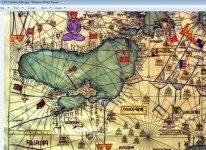
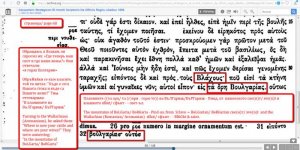
obviously it is not only Armanian, since, as I already showed previously, but you have not paid close attention to and making me repeat, the 14th cent. Catalan Atlas shows both one BuRGaria between the Danube and the Dnipro rivers in Ukraine (the Old Russia), and one BuLGaria South of the Danube. Also, as I said, the rhotacism is found in the following words/ names: the name Vlah similar to BRiGes/ Phrygian Thracian BaLaios – mighty, which in contemporary Sclaveno = BuLGarian/ BuRGarian as BoL means very big, very much, similar also to the Proto Celtic BaLKo, in Eire previously BaLC, also BaLCH, today - uallach, Wealsh - BaLCH, Cornwallish - BaLGh, Bretonic BaLC'h – mighty and also free man. Albanian PLaK – head, leader. The various versions of the BuLGarian/ BuRGarian name has similar meanings - BəLGar, BeLGar, BaLKar, BəRGar, BuRGar (Vurgar), BLəGar are similar to the Sclaveno = BuLGarian/ BuRGarian BeL/ ByaL - White/ Latin PuLCHero - nice, oBaGRen - BRiGht/ BhaRGa in Sanskrit, in meaning similar to the Sclaveno = BuLGarian/ BuRgarian yarək and Ukrainian (Old Russian) yary which sounds similar to Aryan, and BaLK-an means an elevated place, same as the English BuLK and BuLGe, also BuRG, while BLəGar is similar to the Sclaveno = BuLGarian/ BuRGarian BLaG - noble and BLaGoroden - thankful, grateful. I surely see the rhotacism here both in sounds and meanings!!!L-r rhotacism only exists in the Aromanian name of Bulgaria, Vargaria,it is an inherited word,suggesting that they lived since old times near some Bulgarian population.